

How to Get a Marriage Based Green Card for the USA

Many of you who follow me or Matt on social media noticed that last year we moved to the US. But, what many of you don’t know is that I’m actually not American. I’ve lived in the US before, but always on a student visa, so I’ve never had a green card before. Now I do, since a lot of you have questions about the whole process I decided to write this post, share our story and give our advice.
How to Get a Marriage-Based Green Card for the USA
* Our Story & Advice *
Most people who never had to deal with any international relationships have no idea that moving to a country of your spouse (regardless of the country) isn’t easy. It’s hard and it will cost you a lot of nerves and money. Plus, don’t think that once you get your green card that’s the end of your troubles…
USCIS (U.S. Citizenship and Immigration Services) will deny a marriage-based green card case if it does not receive sufficient evidence of a bona fide marriage and/or if it determines that the marriage is a sham. Plus your application will be denied if your spouse doesn’t make enough money.
Getting married to a person from another country won’t grant your citizenship, passport, and even residence permit automatically. In the US you might even get prosecuted for fraud if you marry your loved one without doing a proper research.
What to do if you want to get married and/or move abroad to the US to live with your American partner?
If you don’t believe in marriage, but dating someone from a foreign country and especially the US, you most likely have to change your mind. The US doesn’t have a rule like the Netherlands, Australia and the UK where you can register as a domestic partnership to ‘import’ your partner. Getting an employment-based visa was never easy, but with current administration limiting the number of visas available each year even more, it’s even harder. You need to be legally married.
Myths About Applying for a Green Card based on Marriage
Myth 1: Your racial background might slow down the process.
All applications are processed at the same time, regardless of your nationality or the color of your skin. The only thing that can slow your application down is a presence of a criminal record, insufficient earnings of your American partner, or lack of some other documents. They process the application based on the date of submission.
Myth 2: There are yearly limits on all immigrant visas.
There are visa quotas (number of visas that can be issued to citizens of any country in a fiscal year) and since the current administration even less of them are available each year, but it only matters in case of employment-based preference visas. Family-based immigrant visas are excluded from this rule and are unlimited.

Different Ways of Applying for a Green Card: Pros & Cons
There are different ways of getting your green card, depending on your situation. Each has many cons (trust me, there is no ideal way of doing it) and requires a lot of research. Regardless of the option you choose, your American partner needs to make enough money to support you, or you’ll have to find someone to co-sign your sponsorship (read more about it further down).
Option 1) Fiancee visa (K1).
If you live abroad and your partner lives in the US, the traditional option is to apply for a fiancee visa. It’s basically a visa that allows you to come to the US and marry him/her within 90 days, then adjust your status and apply for a green card.
What are the cons?
After collecting necessary documents (read further down for documents) and submitting the application, the minimum wait time is about 9 months. Sometimes it takes more than 12 months to receive this visa and during this time you can’t travel to the US to visit your partner almost at all (there are exceptions to this rule if you already hold a valid visa, but it’s only for very short periods of time). Yes, it sucks.
Also, you need to readjust your status once you get married, which means that this visa gives you nothing more than a valid entry to the US to marry. It’s only the best option if you don’t hold a valid visa for the US and never visited.
While you can plan a nice proper wedding in the US, be careful, since no one can really tell you when your documents will be processed and once you receive your visa you’ll only have a 3-month window to marry. I know a person who counted 9 months to their wedding but received an interview date back in their home country a day later so had to hold a mock wedding in the US with the family and return to their country a day later. Then, a week later, come back to the US to get married in a courthouse. It might be slightly costly if you get unlucky.
Option 2) Spousal visa (IR1)
A spousal visa is for those who are already married to a US citizen and want to immigrate to the US, or when both spouses lived abroad before deciding to move to the US.
What are the cons?
The first con for many people is actually getting married abroad. So it was in my case. While getting married in the US is easy; you just apply for a marriage license with your ID and then book an appointment, some countries require more things.
For instance, in case of Poland (the country of my original citizenship), they required Matt to submit a petition to the Supreme Court to remove the condition of signing the statement that he’s not been married before, since the US doesn’t follow the same rule. I was told we would have to wait about 6 months, if not longer, to receive this document allowing us to get married. We really couldn’t get married in any other country immediately since most require a residency of at least one spouse.
After collecting necessary documents (read further down for documents) and submitting the application, the minimum wait time is about 12-15 months. I heard that some cases took 18 months, and again – you can’t travel to the US while you wait unless you apply for a special non-immigrant spousal visa K3 that would allow you to wait in the US.
Option 3) Adjusting your status in the US
The last method is a preferred method by every immigration lawyer since it’s the easiest and fastest. Everyone I consulted recommended it, and this is what we ended up doing. I entered the US as a tourist to visit Matt, waited the minimum 60 days to remove the condition of not entering the US just to marry, then applied for the adjustment of status.
Important: If you marry someone right after you enter the US your application to adjust status will be denied and you might be fined. This option only works if you have a proof of legal entry into the US, so if you enter illegally your application will be denied (proof of legal entry is different than overstaying your visa).
Pros:
You don’t have to submit a bunch of documents that you have to submit for Fiancee and Spousal visas, such as police records from every country you lived in for the last 5 years. If you’re from one country, that’s not a problem, but if you’re a serial expat like me getting these police reports are costly, time-consuming and difficult.
Cons:
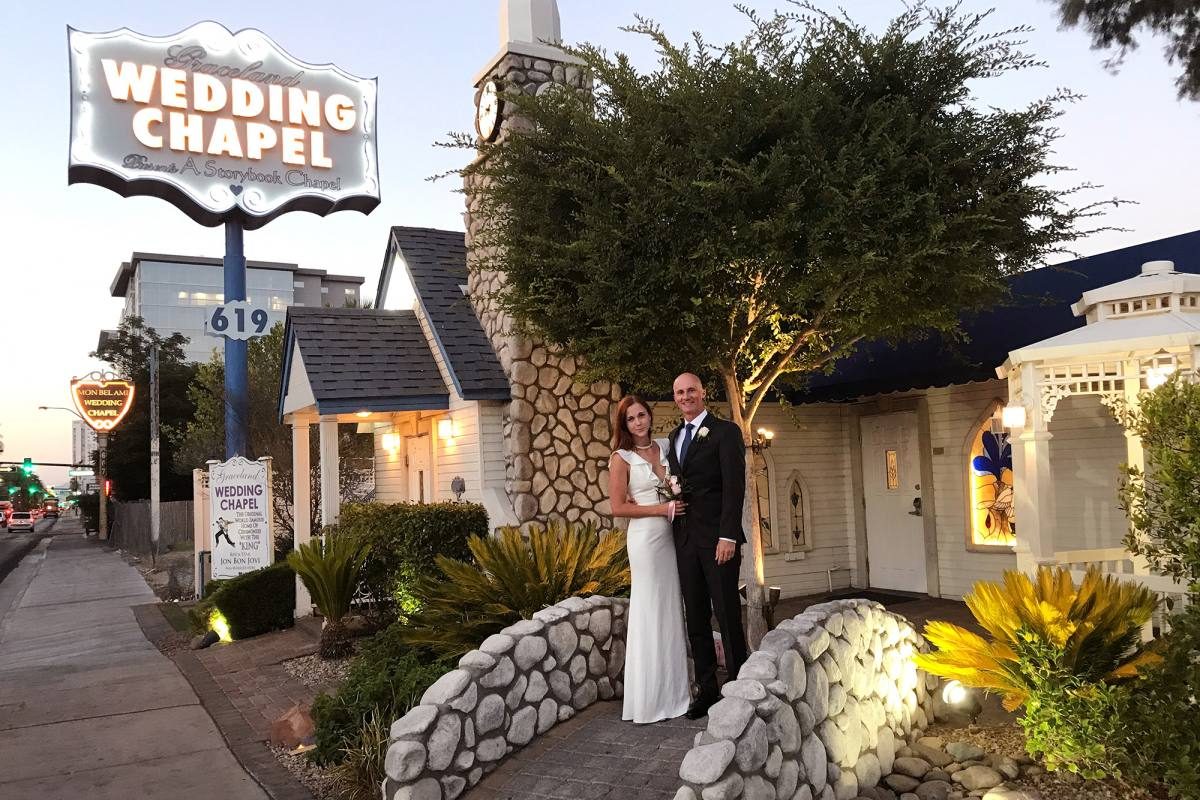
You can’t have a proper wedding. Since everything has to be done last minute, the only thing we could do was get married at a courthouse or in Las Vegas. Most couples choose to have another proper wedding with the family once the green card process is over.
Since you enter as a tourist and have to wait to get married and then wait for your documents to get adjusted, you will have a few months of doing nothing. You can’t work, you can’t travel abroad, you can’t get a driver’s license, you can’t study, you can’t even volunteer in most places.
If I didn’t have my blog I’d have gone crazy doing nothing…
Do You Need a Lawyer?
While we hired a lawyer based on some recommendations I can confidently say that you probably don’t need a lawyer. Getting an immigration lawyer isn’t cheap and she or he is basically going to fill the documents for you based on questionnaires and show you where to sign them.
In my case, the lawyer we had was very nice, but having her actually made the process slightly slower and I wish I knew about it beforehand (more on this further down).

What Documents We Had to Submit
To get married we didn’t need much. We went to Las Vegas, flew some aerobatic planes and saw Cirque du Soleil the day before. The next day we flew over Grand Canyon with a helicopter, then took a taxi to downtown to get our marriage license, got back to the hotel to change before the pre-ordered limo picked us up to go to the chapel. In an hour we were done and married. It was an eventful weekend in a non-traditional sense.
Once we got married we had to wait 14 days to receive our wedding certificate. While you wait for your marriage certificate you could fill all the documents and get a medical examination, so the day it arrives you could send it out to speed up the process. In our case, it wasn’t possible since we hired a lawyer.
She wanted us to wait until we received our marriage certificate and only then send her our information and documents, in order for her to start filling our application (I didn’t see much sense in it since all you have to fill is a date the marriage took place, which we obviously knew).
Once we sent everything, we received an email saying that they will fill our application within 2 weeks, which is a long time and we had no idea that it would take that long. Then, we had to correct everything, sign the forms and send to her by post. It took a month longer than we planned on.
Our application was finally submitted on August 24th, two months after we got married – a month later than we could have sent it on our own since once you have all the documents it will take you a few hours to fill everything out.
Forms we had to submit:
Anna:
- Form G-28, Notice of Entry of Appearance (only if you have a lawyer)
- Form I-485, Application to Adjust Status
- Form I-130A, Supplemental Information for Spouse Beneficiary
- Form I-131, Application for Travel Document
- Form I-765, Application for Employment Authorization
Matt:
- Form G-28, Notice of Entry of Appearance (only if you have a lawyer)
- Form I-130, Petition for Alien Relative
- Form I-864, Affidavit of Support
Supporting Documents we had to submit:
- My proof of legal entry into the country (copy of US visa, immigration stamp from of last entry to the US)
- Six passport photos of Anna & Two photos of Matt
- Form I-693 (sealed medical) for Anna
- Signed apartment lease from the US
- Marriage certificate
- Matt’s tax returns for the past 3 years
- One filing fee check in the amount of $1,760
It’s important to send I-131 & I-765 forms together with the main application, otherwise, it’s not free and you might be stuck without a possibility of working and traveling for even a year.
Issues You Might Experience When Filling the Application for Marriage Based Green Card
- Your American spouse has to sponsor you for the first few years you’re in the US, which means that he or she will be responsible for your financial losses, court fees and none of you can claim benefits of any kind.
They need to make a salary that’s 125% above the poverty line (100% if they’re active military) which is $20,575 per year if you don’t have kids (higher for Hawaii and Alaska).
The salary has to be consistent for the past 3 years, with the most recent year being the most important. If he/she was sick and couldn’t work, there are exceptions to this rule, but you’ll have to provide documents supporting it and find a co-sponsor (it doesn’t have to be a family member) who’s willing to provide their tax returns and sign the paper stating these responsibilities. - Both of your names have to be on the apartment lease and not everyone wants to put someone who’s in limbo (once you get married you’re without any status for a while, since you’re not a tourist anymore and your tourist visa becomes invalid automatically) on a lease.
- Medical examinations aren’t usually an issue unless you live in a state that doesn’t get many immigrants. We lived in Colorado at the time and getting my medical examination was a mission.

Medical Examination
All green card applications require a medical examination. It has to be conducted by one of the designated doctors that you can find at this website. I found 6 doctors available in my area, however, once I called them it turned out that most of them won’t accept me since my husband isn’t registered at their family clinic.
Since we were both new to Colorado, the only doctor that was willing to take me was a ‘traveling doctor’ who was basically taking up everyone around the state who couldn’t get a regular appointment.
He also charged $500 per visit (plus costs of vaccinations, blood tests, and other necessary tests), which ended up being about $850 in my case. In comparison, my friends paid about $125 in NYC (plus treatment costs).
Since he was a traveling doctor without an office, I had my first appointment in a small room inside a tattoo studio near Denver (not kidding!). I had to show him my medical records from Poland and find the dates of my last vaccinations to:
- Mumps
- Measles
- Rubella
- Polio
- Tetanus and Diphtheria Toxoids
- Pertussis
- Haemophilus influenzae type B
- Hepatitis B
- Any other vaccine-preventable diseases recommended by the Advisory Committee for Immunization Practices
I had to get a TB test and schedule another visit to receive a vaccination for Tetanus as I was missing it. My next visit to check my TB results was in front of some office in Boulder, before meeting the doctor again for a final vaccination and documents in another strange building.
What Happens After You Send the Application?
While the green card application is pending, you are not permitted to travel outside the United States. You also can’t work, study, volunteer or anything.
If you leave after you get married in the US you usually won’t be able to come back to the US, and even if somehow you’ll be able to get back in using your old visa, your green card application will be withdrawn.
You can read online about cases when someone left the US while the application was pending because of an emergency (eg. death in the family) without getting an additional permit, the I-130 can still get approved, however, the I-485 won’t be. You’ll have to reopen the case outside of the US at your Embassy and wait outside of the country for about 6 months, if not longer. (read further on what to do if you have to leave the US)
After you send off your application you’ll receive a receipt notice within 2-3 weeks. It will come to your home address, so it’s important to put a correct address and notify USCIC online as soon as you move. If you’re planning on moving to another state while your application is pending, check with your friends if you could temporarily use their address in your new state. That’s what we did when moving to California, since moving the application from one state to another will slow down your application.
While there is a way to check your case status online on USCIS website, the only thing you’ll be able to see there is that they received your application. Nothing further got ever updated in my case, so don’t bother checking and stressing about it.
You are typically scheduled for a biometrics appointment within 4 weeks. Again, you’ll get a letter notifying you when and where to go. Bring your passport and marriage certificate with you (it doesn’t say you have to bring it, but I was told upon arrival that you have to). They’ll take your picture and fingerprints and you can be done in 15 minutes.
Combo Card
The combo card (combined work permit and travel document based on applications I-131 & I-765) usually comes within 3-4 months. It used to come within 60-90 days, but these days (2019) you’re looking into more 100+ days but it can take as long as up to 6 months. My combo card was issued after 104 days, but it didn’t actually reach me until 114 days.
Why did it take so long? Since the new administration, most applicants are being sent an additional Request for Evidence (RFE). Before, only those whose applications were missing some documents received this request. We got one too since Matt’s job isn’t a typical W-2 type of job. If your spouse is self-employed be prepared for it. We had to submit Matt’s work contracts, invoices, bank statements. You never know what exactly you need to submit, so try to gather as much as you can.
As we were originally told that I’ll receive my travel permit within maximum 90 days, but the rules have changed in the meantime, we planned on leaving for a honeymoon to Tanzania after 95 days. It was a big mistake because I didn’t receive my Combo Card in time. We got lucky in the end as we got approached for a work project in Tanzania in the meantime and I got another project in the Netherlands right after.
We knew that since we won’t receive my permit on time we had to make our honeymoon a work trip to make it all happen.

Getting an Emergency Travel Parole
Since I didn’t receive a Combo Card and had to leave the US, my only option was to apply for an Emergency Travel Parole. It’s something different than a regular Advanced Travel Parole. It’s meant for those who have an emergency (eg. sick relative) or need to leave for work reasons, but it’s not always granted. If your reason is a holiday, honeymoon, or family visit, then forget it – the request won’t be granted.
In order to even apply for this Emergency Permit I had to receive letters from both of my clients hiring me (in this case tourism boards and safari company), stating how much am I being paid, why I’m the one they’re hiring, what will they lose if I don’t come. I also had to write a letter stating my financial loss in case I don’t go and describe how my career would suffer. Print all the supporting documents like flights, reservations, itinerary, two passport photos and a copy of my original I-131 application.
We went to the USCIS field office in downtown LA with these documents to ask for my permit. You technically should do it with an appointment that’s pretty much impossible to get. While we ended up being able to talk to someone in one of the windows, it was a big fail.
They barely wanted to attend us since they said I still have 5 days to leave, so it’s too early to even apply for the emergency travel parole. When they finally looked at my letters, documents and everything it turned out that we were missing some forms, but that was a minor issue since they handed them to us. They also asked me for the financial statements of each client for the past year (it wasn’t going to happen obviously).
Traveling Outside of the US on an Advanced Travel Parole
Once you have your Combo Card you can work and travel freely. Technically, because it’s not that simple. In terms of re-entering the US, you can’t check in online for any flight, because your document isn’t on the list. If you’re a woman and decide to change your last name, your passport will be under a different name than your Combo Card and you might encounter various issues at the airport. I have on several occasions.
Once you arrive in the US you will have to go straight to the officer (same line as for people with ESTA entering the US for the first time), as your card won’t scan at any automated booths. Some officers will tell you to try, but it won’t scan, so don’t waste your time waiting in two lines.
Once you reach the officer they’ll take your fingerprints as usual and then ask you to wait for another officer to bring you to a room for those who get detained. It’s a standard procedure for people with travel parole.
I did it for the first time at JFK. You sit in a room and wait, watch people getting interrogated and getting denied entry by not having the correct visa, until someone calls your name and gives you your passport back. You’ll get a special stamp that says ‘Paroled’.
Depending on the line it can take from 20 minutes to over an hour. From my experience the longest it takes at LAX, the shortest at MSP since they didn’t even bother to detain me and stamped me at the counter last time.
Working on a Combo Card
Working on a combo card can get tricky if you’ve never worked in the US before. First of all, barely any bank will open you a bank account of any kind. Separate or joint with your spouse. It’s absolutely ridiculous. We went to some banks a few times and they told me that since I only have this weird document (Combo Card) it doesn’t match any of their things in the system, so I need to use my passport, but my passport has a different last name. I also needed proof of address and since apparently, a valid lease isn’t enough proof, I need a bill with my name and address.
Getting a bill or any kind of job isn’t possible without a valid Social Security number. Officially, there is a rule that you can only get an SS number within 90 days of arrival to the US, but I couldn’t do it since I didn’t have any residency documents allowing me to do that within my first 90 days.
Otherwise, you need to wait until you have your green card. I somehow managed to get my SS with just my Combo Card in Los Angeles, but I heard that not everyone is that lucky and it depends on the friendliness of the person attending you.
Back to the bill issue. Since I’m new to the US system I have no credit score (it turned out that my score was assigned as 222), so getting any sort of bill attached to my name was a problem. We were able to set up a T-Mobile family plan under Matt’s name, then call up and change it to my name as the main account holder after the first month. However, we did have to pay a deposit since I have no credit, which was I believe $500.
I returned to the same bank (for the sake of not shaming them I won’t state the name of the bank) with the bill and they refused me again, this time saying that they want my name to match my passport so I should have a bill under my maiden name. It didn’t make any sense since it wasn’t my name in the US.
The only bank that finally opened my account was Bank of America, but I did have to try twice before it finally happened. Obviously, I can’t have any credit card without a credit score despite making money, so we’ll have to start from getting me a store credit card first: Target, Starbucks or something to build up my credit score. I was told that maybe in 2 years I can try applying for one. We will see.
The Issue with Name Change
It turned out that changing my last name isn’t as easy as changing my documents. First of all, Clark County (where Las Vegas is located) is one of a few counties in the US that doesn’t indicate a new last name on the marriage certificate. They basically believe that it’s not their problem and people can just go to the Social Security office and change their name.
In LA County rules have recently changed and if you don’t change your last name when you get married, you’ll have to go to court and pay a couple of hundred bucks to take your husband’s name now.
Since I didn’t have any documents in the US I filled my applications with my new name: Anna Karsten (I actually left out my second name on purpose) and all my documents were issued with it. Easy peasy.
However, getting married in the US doesn’t mean that you’re married in your home country and in case of Poland it’s quite complicated. One thing that’s very American to do when you get married is to keep your maiden name as a second name. You absolutely cannot do this if you’re also Polish (and might be the same case with other officially Catholic countries), as then Poland won’t issue you your new passport. Your second name has to be on a list of available names (which are Catholic Saints) and since your last name isn’t, your new passport won’t be issued.
Officially, everyone in Poland has only a few months to change all the documents after getting married or will be fined otherwise. Since I couldn’t leave the US I obviously couldn’t do anything, as it cannot be done at the Embassy. I had to ask my father to hire a sworn translator to translate my marriage certificate into Polish, then give him a notarized form to act on my behalf and submit the document to the Office of the Civil Status in Warsaw. He could mail me the forms I had to sign (apparently so did Matt in Polish) and with this, we had to wait about 6 weeks until we received a letter stating that the marriage certificate has been registered. With this document, I can now head to the Embassy to get a passport with my new name.
Green Card Interview
We received an invitation for an interview for February 1st. Since I knew I would be away during those dates we called to rescheduled and a few days later I got an email saying that the request for rescheduling an interview has been granted and a new date will be issued within 60 days. A few weeks later we got scheduled for April 1st.
Update 2019: As I was informed by many lawyers, processing times have doubled since we’ve done our green card process. Now you’re looking at about 10-12 months until the interview after filling an application.
An interview is basically for an officer to check whether your marriage is legit and if you followed all the rules (like haven’t left the US without a permit). They’ll send you a letter with a list which documents to bring with you (everything you already sent) and proof of relationship like joint accounts, photos, emails, airline tickets, anything that comes to mind to prove that you’re a real couple. Both you and your spouse must be present at the interview.
Depending on the officer, the interview can be short and easy but it could also be very invigilating. Some friends barely got asked anything and the officer just went through their photos, others were asked questions like what time did he propose and about their mother in law’s phone number.
In our case, the interview lasted about 20 minutes. We were asked how we met, when did we move in together, where we lived if we’d met each other’s parents, what they thought of the marriage and what do we do for work. He wanted to see both our names on the house lease and took a copy of our joint T-Mobile bill and health insurance. While we didn’t have a joint bank account yet (since no one would give us one), having a credit card under my name attached to Matt’s account helped as the officer liked it. Then he asked me why we had to re-schedule the first interview appointment.
He didn’t look at our photos, didn’t ask about the actual wedding day or proposal. I was asked whether I wanted to change some answers to some questions on the application and when I said no, he asked those questions again. Example: whether I want to commit bigamy or if I was ever arrested.
Then the officer told us that he’s going to approve the case.
What Happens Now…?
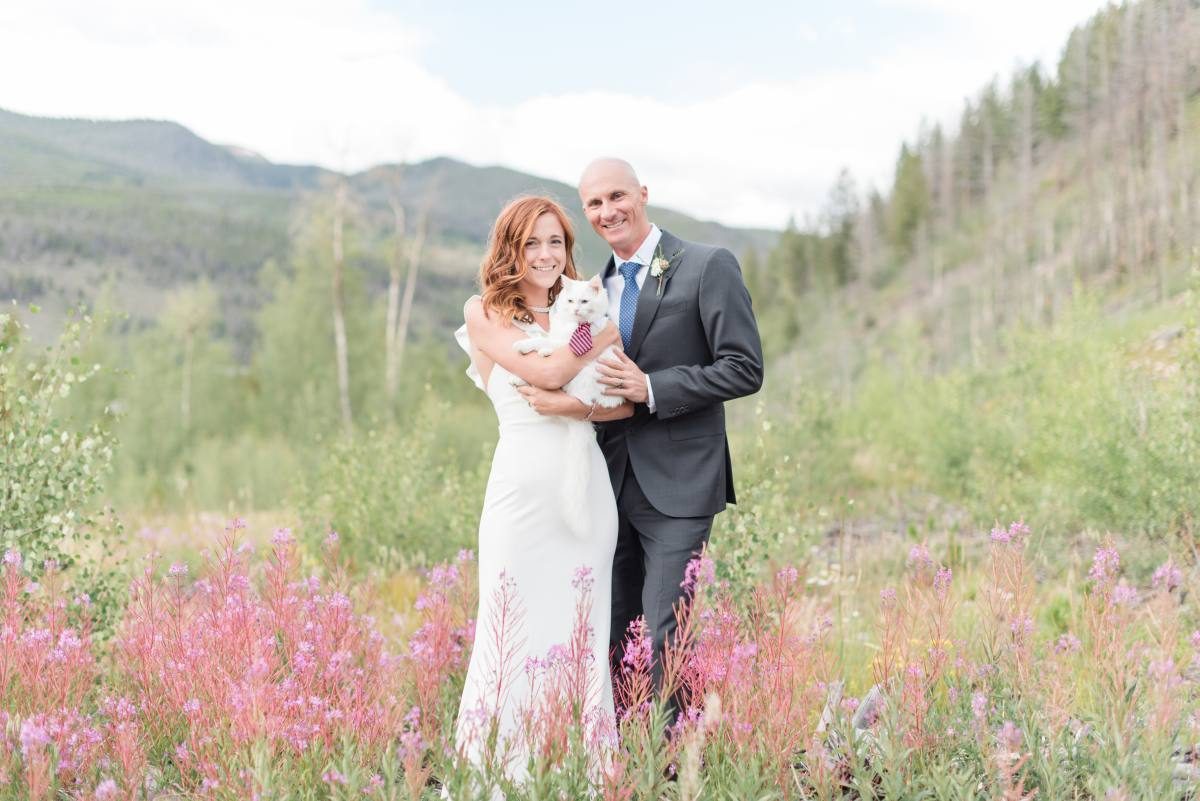
Getting a green card is just the beginning of the process though. Since we’ve been married for less than 2 years, my first green card is only temporary and it’s called a Conditional Green Card. Depending on the situation it’s for only 2 or 3 years to remove the condition. After that, we need to re-apply for another permanent green card valid for 9 years.
We’ll need to submit the documents that we’re still together and I possibly might be stuck in the country for a few months (some friends are waiting for a new green card for over a year already because of the backlog of cases).
Once I pass 3 years of residency then I could apply for full US citizenship. For now, that’s in the future. As you can see getting a green card as a spouse is neither cheap nor easy. Instead of planning a wedding and honeymoon, you will be worrying about your application status, not being able to work, and other troubles. We wanted to give up on this process endless times but stuck with it, so if you’re thinking of giving up – trust me, you’re not alone!
For those of you in the same situation, we wish you good luck! Hopefully, in the future, the immigration issues in the US will improve.






WOW, Anna…although I knew generally what was happening as you navigated this process-to read the details is mind-boggling!! I’m sure that this article will be very helpful for others in the same position!! Great post!
This is a great blog, I wasn’t going to hire an attorney but since my husband name is different in his birth certificate, we hired one and he has help us a lot, just one question I don’t know if oí know the answer, they are asking us to get a joint account together or anything but since I don’t have social security I cannot have that nor a car insurance what did you do to get that? Health insurance is super expensive (around 500 a month) so we are kinda stuck on that
This is super helpful! I need to go through this process soon and this is so informative!
Hey Anna, great post!
I have a very dumb question and I was hoping you knew the answer.
I know that if you reside IN the U.S, and apply for a I-130 + Adjustment of Status you can only leave with the Parole document you mentioned.
My question is: Can your husband (US Citizen) leave the country/travel without this document? Or is it necessary that he stays IN the U.S?
You see, I live in Mexico and my husband lives 5 hours away in the US. I know it will be difficult for me to visit him in the U.S while our greencard is pending, but I want to know if he can still visit ME.
The husband who is a US citizen can come and go as he pleases, as long as he’s present for the green card interview 🙂
Awesome and very helpful blog, Anna! Thank you very much!
I was wondering if you only submitted one of each supporting documents or if you need to attach supporting documents to each individual form.
For each form you need different supporting documents, but you put them in one envelope and send it all together 🙂
I have a question that wasn’t very sure if you addressed. We’re you married in Poland to Matt before you decided to go to the US via tourist waiver and then get married plus apply for the green card?
I am very keen in doing the procesan from the US as you did but I am currently living and working in the country of my already spouse here (Japan). I’m worried that being married in Japan will affect the marriage application or process in the US even if I am legally single in the US. Just because we would be applying for tourist to spousal green card. I still haven’t changed my work permit to marriage one in Japan and not very sure if I should we want to move to the US as soon as possible. The problem is I have lived and worked in Japan for over 8 years now. And now I want to go back home but with my husband in Japan. It’s all very confusing to me since I am living in the beneficiaries country. If you have any help I’d be super grateful!
To answer your question: no, if we got married elsewhere than in the US we’d have to go for a spousal visa and wait outside of the country for about 15-18 months. There’s no other way for your guys I’m afraid. If you got married in the US after you’re already married in Japan, then you’d commit a “bigamy” in a way, despite getting married to the same person again. You need to go for the spousal visa in your case.
If you’re already married, your spouse can either apply for a spousal visa or a visitors visa to visit you if you are already in the US or went ahead home. The process is the same but if you want to be together sooner , get a visitor’s visa. If your spouse or both of you want your other half to get a green card, then you can just apply for change of status once inside the US. It’s really that easy though some lawyers or immigration officers will make it hard for you. Therefore, do it yourself – just follow the instructions from USCIS on how to get one. Goodluck!
Yep, going through this process now. We did the Fiance visa route and it took 10 months from putting in the first paperwork until my K1 visa was granted. I was actually in the US for the first three months of this time and could have stayed longer on my 6 month Visitor Visa – this didn’t affect my application at all. We just got married a couple of weeks ago and I will be submitting all my paperwork for adjustment of status next week. My co-sponsor is my Father in Law as my husband doesn’t make enough – very easy to put a second sponsor on (as long as you can find someone willing). Now for the year wait for my Green Card! I’m hoping it will take less but fully prepared to be stuck here for around a year. If you want to open a joint account – go with Wells Fargo. We did it when I was on a Visitor Visa with no problem.
That’s great to hear and congrats on getting married! These days who knows how long will it take. Took 4 months for my friend, a whole year for another. Be careful with Wells Fargo though…
P.S. I just saw that you’re based in Colorado now. That’s so funny, as it was the first place we moved to after coming to the US!
Yea they wouldn’t be my first bank choice but there’s not many choices when you don’t have Social Security Number – will change once I can. Yep, I love it here. Mountains, hiking, hot springs and beer are my life so I can’t imagine living in a better place for me 🙂
Hi. Im currently in the same situation and this blog is very informative.I have a question, did they ask why you marry on a tourist visa and did they ask for any evidence to prove ? We married after 90 days and i wonder if they will be strict cause i entered as tourist.
No one asked me or any of my friends in the same situation about the marriage or wedding itself. Just if we have a joint bank account and other things together to see if the marriage was genuine. You’ll be fine. Good luck!
Thank you so much for replying. God bless!
Hi Anna. I live in the united kingdom and i am British and my fiance is American and. Lives is the U.S.A so how would this work for me and my fiance many thanks Johannah
Since you’re from the UK you don’t need a US tourist visa, so you can come and go. Any options described would work for you 🙂
Thanks Anna also. If i wanted to marry my fiance, and live with the U.S.A whats the process, and documents and how much
Thanks in advance
My post explains everything?
Thanks. Anna for the fast response. I will. I will. Contact you. Again.
Hey Anna, great post! Very helpful, thank you so much. I was wondering if you heard any recent stories of people who followed the same route you took, coming to the US on a tourist visa and getting married after 60 days, since the 30/60 day rule has changed to a new 90 day rule last year. Do you know if this affected people in any way? Thank you!
I’ve done mine last year. Remember that even though the official marriage was 45 days after entry, then you still need to wait for the license, fill out the paperwork and so on, so we didn’t file until 35 days after the marriage.
There are a lot more advantages and disadvantages to discuss in choosing a K-1 fiance Visa vs. a CR-1 spouse visa.
The main one is the time frame to complete. It is currently taking 8 – 10 months to get a fiance visa with no issues. On the other hand, it is taking about 12 months to get a spouse visa. Plus, with a fiance visa, you can submit the petition as soon as you meet in real one time. If timeframe is your only factor, the fiance visa seems perfect.
However, there are many advantages of a spouse visa over the fiance visa. You should really factor these in your decision making too.
1. Initially, the spouse visa is more expensive than the fiance visa. However, the spouse visa is less expensive overall than the fiance visa once you factor in the Adjustment of Status after marriage.
2. The fiance visa has a lot more paper work involved when you do factor in the adjustment of status.
3. The ability to work sooner is better with the spouse visa. The spouse visa holder may work as soon as they enter the USA. The fiance visa holder must wait until they are married. Then, apply for and receive a work permit that takes 3 – 6 months to get. The stamped spouse visa serves as a temporary green card until the green card arrives. The green card only takes a few weeks to arrive for a spouse visa, while it can be up to a year or more for a fiance visa.
4. The ability to drive sooner is easier for a spouse visa.
5. The ability to get a social security card without hassles is easier for a spouse visa.
6. The ability to get health insurance is easier and more options available for a spouse visa.
There is no right way or wrong way. Just know all the pluses and minuses of each before you make your decision.
Hello Anna,
Thank you so much for this thorough blog! I have two questions: First, my husband is the green card applicant and is from France. We both live in America currently, but I will be living in France for one year and during this time my husband (who will stay in America) will most likely get scheduled for an interview which I will definitively fly in for, but people keep saying it’s a red flag that I’m living in Paris (for school) while he’s staying here. What do you think? I understand I, the U.S. Citizen can come and go, but will they think it’s suspicious? (btw we are in fact in love and have tons of pictures etc for proof)
Second, I’m unaware of the restriction for the green card applicant to travel abroad while the green card process is ongoing. In fact, as we await our interview, he will be out of town on work for a couple weeks. Does the restriction apply only when a visa is expired? Or is it just for the time prior to the paper application being sent?
Thanks for your help!
Hi Alicia. I’m afraid people are right that you living in Paris is a big red flag since the purpose of the green card is to ‘reunite or remain with a spouse’ and he won’t be reuniting with you as you won’t be living in the US. You need to prove that you live together since he’s already in the US and since you won’t be, I personally wouldn’t risk it and wait until you get back from Paris.
No one looked at any of our pictures at the interview, but carefully studied our joint health insurance, rental agreement, bank account and everything. We were actually asked about our travels and the guy wasn’t happy that we travel so much separately despite it being for work reason, so I’d suspect he would reject the application if we lived in different countries.
In terms of travel restrictions, the moment he applies for a green card his current visa becomes technically invalid since the application will be pending. While he can still use it to work, he can’t re-enter the US on it. If he does his application will be withdrawn. He can’t leave the US until he receives his travel parole document but can travel freely around the country.
This sounds like a nightmare! So sorry you went through this. I’m an American married to a foreigner and we were lucky enough to marry and live outside the US for two years before applying for the IR1. Much easier and I see now it was so worth it. We had a co-sponsor, too, though I was working fulltime in the US by the time we actually applied for the visa. We did live apart for 10 months and it was irritating, but nowhere near as hard as what you went through! Best part was the green card came in the mail a month after arriving and we never saw immigration again until sitting down for the citizenship test! I’m so sorry you had such a hard time, but thought I’d share a slightly easier route for people considering this, though everyone’s situation is unique, of course. Also, the citizenship process was soooooo much easier! I actually recommend it. 😀 If you are in LA, the public libraries have a free program to help with getting citizenship that was amazing. No.lawyer needed. It was a literal cakewalk after the visa. Good luck to you and hope you are enjoying the US!
Hi Anna,
I’m not sure if your reply to the Japan case already answers this, but I was wondering, can both the immigrant and his American spouse live outside of the U.S. before filing a petition to get a green card? In other words, if you’re already married, is the only option for the couple to have the U.S. citizen return to the U.S. and wait for their spouse’s green card to be accepted? From what I read on travel.state.gov, it looked like most cases required the U.S. sponsor to have a domicile in the U.S. and file for their spouse to come over and join them, but I did read one exception from another website that said the American could file a petition for their spouse’s green card outside the U.S. if the American could prove they were living outside only temporarily (which I don’t think I can with a family visa for his country and a job there) or that they could prove that they actually were interested in moving back (ie. bank account, rental agreement, etc.). Do you know anything about this or know what others have had to do? Is it enough to have a joint sponsor live in the U.S. for financial support while the couple live abroad? Also, what if the couple plan on moving in with a parent? How do you show immigration proof of living together if you’re not renting but staying with family, other than a sworn statement from the homeowner? Thanks in advance!
Hi! You can apply from abroad, but the wait time is between 12 to 17 months. You’d be sending your application to international mail to USCIS’ Chicago Lockbox and later both of you can have an interview at U.S. embassy or consulate abroad. However, it’s true that you need to have a domicile in the US, but he can file for you if he has enough ties with the US. Your husband as a petitioner would have also taken concrete steps towards leaving the foreign country to live in the U.S. before applying for your green card – steps such as changing his or her foreign address to establish a physical mailing address in the U.S. (by signing a lease, purchasing a home, or even making arrangements for housing accommodations with a friend or relative), leaving his or her foreign job and applying for jobs in the U.S., registering children at U.S. schools, opening U.S. bank or investment accounts, etc. Make sure that he’s been filing tax returns for the past 3 years (but it’s a requirement for all US citizens so shouldn’t be a problem). Moving in with a parent is fine, BUT as long as you can get have some bills attached to your name (as a new resident you’ll have to have some, otherwise you won’t get your driver’s license or ID. Cell phone bills don’t count, so I recommend switching internet or electricity to your or your husband’s name.
Hi Anna,
I’m US citizen but I have been living in Spain my entire life, I have been studying and therefore never filled in the tax return. My husband is a Spanish citizen and we recently got married in Spain.
We are planning to move to Florida in March/April 2019. Obviously we want to travel together, not separately.
Our idea is for him to travel with a regular ESTA tourist visa and apply for the Green Card once we are there. The idea would be to get an adjustment of status. Do you think that will work or do you suggest another process?
Many thanks in advance for your recommendations…
I’m afraid this way won’t work and won’t make any sense for you, because you’re already married. Simply because there is no family-based reason why your husband, non-citizen spouse, needs to be permitted to immigrate to the United States when you were living in Spain, and so the petition would likely be denied. Also, if he uses his ESTA to come to the U.S. with the existing intention to apply for a marriage-based green card because you’re already married, you and him might be charged with visa fraud, and may be denied the green card on that basis (along with a fine). Adjustment of status option only works if you’re not yet married, unless you want to divorce in Spain, then re-marry in the US later 😉 , but it really makes little legal sense.
This is what you need to do first since you’ve never lived in the US and never filed tax returns. Next year, in April you need to file your most recent tax return. Along with tax returns for 3 past years. Since you’ve lived abroad you won’t need to pay the taxes if you made under 100k a year. The most recent tax return is the most important one, and here is where you need to prove that you made enough money (above poverty line) to support your husband. Since you’re already married you can also use your husband’s assets if your earnings aren’t sufficient to sponsor your non-US spouse. Without your tax returns, you won’t be able to apply for his green card anyway.
You need to go through the regular marriage visa application and technically apply from Spain. However, this process takes a while and as you’ll file your tax returns in April and receive tax transcripts needed to file around May/June, realistically you won’t be able to apply before that time, but start collecting necessary documents like translations of your marriage certificate and police reports from all countries your non-US spouse lived for the past 5 years. If you file your petition without these documents you’ll be asked to submit them later and it will extend your process by a lot. Realistically speaking since marriage visa takes about 12-15 months from the date of application, you’ll be able to move around April 2020.
Now… as a US citizen can still move to Florida next year as planned and your husband can visit you for 3 months at the time. It’s not an option for everyone, as he won’t be able to work and he’ll have to leave the country for 3 months if he stays for 3 full months. Also, before you apply for his green card and later during his application is pending he can still use his ESTA to come visit, but he must convince the immigration officer or CBP agent that he will not be settling in the United States yet, otherwise he might be rejected at the border for trying to overpass the law.
Hope this helps!
Wow! This blog post and written piece of content is nice thank you so much for sharing with us such useful information it was worth sharing it is really such an amazing. The points you have shared here there really educative.
Very informative, lawyers in san antonio say that I can marry before the 60 days, but the actual petition has to be done after the 60 days rule. Thoughs?
Also would you recommend hiring a lawyer or hiring one of those notaries that have experience filling forms?
Same thing I’ve been told, but just don’t do it earlier than 30 days. It takes a while to process your marriage certificate. Forms are very easy to fill frankly, that’s why I said I could have easily done it myself.
Hi Anna
Its Johannah again from the UK ,
1, my fience is thinking about us getting married in the U.S.A , dose the marriage to be registered back in the UK as well,
2, Also am I still allowed to travel to The. U.S.A to stay. With my husband after I marry him
3, is it best to apply for the visa first or the green card and do have to be in the U.S.A before I apply for the visa and green card ,
I am confused how would this work
Help
I live in the UK and my fiance lives in the U.S.A
Thanks Anna in advance
Hi Johannah,
I’m not understanding your questions. Have you read the post and all the options and steps?
Hi Anna so my message was confused you
I am asking these questions cos I am new with this and also have learning disabilities,
Its Johannah again from the UK ,
1, my fience is thinking about us getting married in the U.S.A , dose the marriage to be registered back in the UK as well,
If you want to change your name and get a new UK passport then yes, you’ll have to do it later.
Hello Anna! Amazing post, thank you.
Very very informative!
What happens if I enter on a 90 day visa, get married after 60 days, then do paperwork etc,
but what happens if my 90 visa runs out? Before the transfer is approved?
Hopefully this makes sense.
Or once I get married does my visa extend to allow time to fill paperwork etc etc,
Thanks so much,
Luke
This will be the case because there’s no possible way for your visa to get approved before 90 days run out. Once you file for adjustment of status you’ll be in a limbo, because your old visa will automatically become invalid and your application for adjustment of status is what matters then. If anyone asks you (for whatever reason) you won’t be a tourist anymore but not a resident yet, as you’ll be waiting for your green card application to get approved.
Thanks for your reply Anna.
One final clarification…
Say for example I get a 90 day visa, is there a certain amount of days before the 90 day visa runs out that i need to file documents.
Ie what happens if we get married after 70 days, file after 80 days (ie only have 10 more days to go), but don’t hear anything back and then I would have to leave.
My papers would have to be filed before the 90 days, so what would be the recommended amount of days before the 90 day visa expires to send them off without cutting it too fine. So to make sure that (as you said) my visa goes into limbo stage…
Thanks so much
Nothing happens even if you file 1000 days after your visa expires as long as you have a proof of legal entry (stamp in your passport) and did not jump over the border 😉
All you’ll hear back from USCIS after you file will be a receipt that they got your application. It can take up to a month to receive it and it means nothing as it doesn’t guarantee an approval later. If you leave the country after you get married and file then your application will be withdrawn, so don’t leave no matter what.
Hello! Thank you for such a wonderful information!
I have a couple questions for you.
1) Have you heard anything about website http://www.boundless.com? They help to prepare, to fill all the papers in for greencard. We just don’t have money for a lawer right now and I am not sure we can do all the paper work right and good by ourselfs. So I just don’t know to trust this website or not.
2) I am russian and I can stay in US with my tourist visa only till January 24th. So we have like one month. A kind of running out of time. Do you think it is enough of time for us, we just got married and gonna start all the process. As I understand we have to be done before my visa expires. What if we will be late?
3) How to find the plae where we should send all the papers?
Thnk you!
Hi Veronika!
1) I’ve never heard of this website, but I know for a fact that my two friends used a similar service and it definitely made the process longer because they never send it as fast as they promised. In both of their cases it took months which is ridiculous since filling the application yourself will take you a few hours, so should take about an hour for a person who filled it before.
2) Once you start your adjustment status application it’s all good, they don’t care even if you overstayed so don’t worry. A lot of people overstay for years and then it’s all forgiven because they change their status 😉
3) It’s all on the USCIS website. It depends which state do you live in.
Thank you! But about question 2. What is “the start adjustment status application”? When I started to fill in information or when they send me a letter that they took my application? I mean what moment is the start?
So as you say a lot of people overstay, so they stay illigaly as I understand? Because if I stay longer than Janyary 24th, I stay illigaly
Form I-485, Application to Adjust Status. They’ll send you a receipt with the date received once they get your application. Your application won’t be granted before your tourist visa expires, there’s no way since processing times are way longer so you will be without the status for a while. However, once you sent your I-485 your tourist visa automatically becomes invalid anyway and you’ll enter the limbo.
This means that you can’t work or travel abroad until your Combo Card comes. But, even with a combo card you’ll still be in a limbo since Combo Card doesn’t grant residency, just temporary allowance to work and travel. So yes, technically you will be ‘illegal’ but since you’re married to a US citizen and entered the US legally you’re just waiting to adjust your status and can’t be removed from the US unless you commit a felony. It’s totally normal, don’t worry!
Sorry again I still have some questions.
1. We leave in my husbend parent’s house. What do you think, is it okay for getting green card? We don’t have our own place right now.
2. Plus my husbend didn’t work for last 6 months, he got out from milotary and had unemployment payment. So he said that he did make more than $20,575 last years. But the fact that he can not has a job right now, is it too bad? And he is gonna get it soon. So till the moment when we will have an interview he will defenetly have a job.
Or should we have someone else as a sponsor? I have read that anyone can be a sponsor.
3. Do you know how much money you spent in total? I saw that for all taxes for papers you spent 1,760 dollars. But also you paid for doctor, right? So how much it was in total for all green card preparation?
4. And I just worry, I checked that the stamp from passport control man says that I have to leave before Janyary 30th. I worry that I will be late with all the paper work because of what if paper and doctor stuff will take long because of crhistmas time?
Thank you a lot
1) Yes, you can live with your parents but I recommend getting at least once bill attached to your name at this address, otherwise you won’t be able to get a bank account later.
2) It doesn’t matter if your husband will have a job or not until the interview because you need to send his tax returns for the past 3 years ALONG with your application. Since he made enough past 3 years you’re fine with just him sponsoring you 🙂
3) Price of a doctor depends on the doctor. I paid $500 per visit, plus necessary vaccinations were $150.
4) As I responded in my other comment it doesn’t matter when you send your application since it’s all ‘forgiven’ once you apply for a green card.
Hi Anna!
Great article! This is going to help us a lot.
I have been dating my American boyfriend for over 3 years, but we’ve been mostly traveling around the world together. We are finally going to the USA this summer first work in a summer camp and then plan on living in Utah, but mostly I have one question you said you had to show the lease of the place you are living.
Do we need to find a place then? cause I don’t know how easy it will be as we both don’t really have a job and we’re planning on living first with his family so he can get a job and then get a place . That should still work right?
And also can you get married in any courthouse in any state or is it better in the state we plan to live?
Cause I will be in a J1 (I think) for the summer camp job and then I only have one month of tourist visa so I guess a month to get married and then send the papers that should be enough time right? Or should I leave the country and then enter back in a tourist visa and wait to do all? But how long do I leave the country ?
I hope it is not too much to ask I don’t really know who to ask..
thank you in advance
Laura
Don’t leave the country for sure, just get married before your visa expires. You need to have proof of your relationship, whatever it is. We had joint insurance, joint credit cards, bank accounts, lease etc. but you need to show it at the interview so you have plenty of time. However, if your boyfriend doesn’t have a job he won’t be able to sponsor you and his parents of someone else will have to sign your affidavit of support and prove they have a sufficient income on tax returns – that’s something you’ll have to arrange before you send your application.
Some states require for at least one of you to be a resident there, some courthouses (like SF, LA or SD) have a long wait for appointments. Pick a nice place and then see their requirements I’d say 🙂
Thank you so much for the advice, I start searching courthouse and I think Utah will be ok for us 🙂
Thank you again for your time !
Hi Anna!!!
Loved this post, it’s so helpful and so well-explained! Thank you very much!
I’ve read the three options youve mentioned and clearly the best option it’s what youve done but due to my personal situation I could not do that right now..
Me and my boyfriend have been living apart for six months already as he went back to the USA to work and I stayed in Madrid (where I come from) where my company relocated me due to work requirements. Since then, I’ve traveled there and he’s been coming here every time we’ve could. Before that, we used to live together in a 3rd country.
Here’s what I thought and I’d like to hear what you think about it, I’ve read some experiences about it on the internet but you seem to be so clear about this whole thing that I would appreciate so much if you could answer me or give me your advice.
The purpose is to start the process of being able to be together again. As he can’t speak any Spanish we’ve decided that I could be the one moving there this time and see how it all works. I was thinking the best option would be to get married there in April when I am planning to visit (main reason is to speed up the process, It is way faster to marry there than here in Spain). After that, I’ll have to come back because I still have to finish up the project I’m working on here in Madrid and then we could start going for the next step.
My questions are:
If I apply for an espouse visa here at the American embassy in Madrid,
1. Would I be able to travel there as a tourist like I’m doing now every once in a while while the espouse visa would be still processing?
2. Would it be possible for me to go back there as a tourist even if I am married to an American citizen without being “super checked” in customs? Could they know if I don’t state it?
If I decide to apply for a change of status there the next time I visit after the wedding time,
3. Would it be possible to enter as a tourist and then apply for a change of status just like you did but instead of being the same time we got married, being the next time I’ll come there? (This would be the ideal scenario as by summer time I will be done with my project and I could leave Madrid).
Truth is I am afraid of being rejected trying your same option. I guess if they are suspicious about being it all a fraud and all premeditated they won’t grant me the change of status and I won’t have another option in the future. And that would be a big problem for my relationship..
And one last thing! When you traveled there the last time when you got married, I am assuming you had a round trip ticket and were staying there for over two months. Weren’t the custom agents suspicious about you visiting your bf in the states for such a long time? I was wondering what I could tell them if I decided to go for it!
Thank you so much in advance!!!! I hope to hear from you as this long distance relationship is killing us already 🙁 and I don’t know how or where to start to make it as fast as possible!
Here are your answers:
Technically you can travel as a tourist and my friend actually did a few times, but practically it depends on the immigration officer. These days US customs can know everything if they want to.
You can’t, however, get married, leave, then come back and apply for the change of status because you already left after the wedding.
I actually didn’t have a return ticket last time I was entering, but it’s recommended.
Hi anna, great and interesting answers.
Actually i have same questions i married with green card holder as i am on tourist visa here. I want to go back my country and after some time i want to come back US and file for adjustment status.
Does it worth or not?
I am afraid when i come on next entry then i will say i m here for visiting, don’t wanna say married here.
Should i go back or not?
Please advise me.
Thank you.
No, you cannot leave the US if you want to file for adjustment. If you leave then you won’t be able to adjust your status when you return, if they even let you in. That said, your only way will be filing for marriage-based green card from abroad which will take about 12-20 months.
My girlfriend came on a tourist visa with her 17 year old son over 90 days ago. I was in their country last summer traveling. We have decided to get married here and and apply for change of status. How will that work for her son? Does it matter if over the years we have traveled back and forth to each country? Are certain states better to get married in? We are currently living in my apartment. We also had our divorces finalized within the last year. Will any of that have an impact?
You’ll have to include her son as dependant on I-485, but also file a separate I-130, plus travel and work application for him. Plus he’ll have to have a medical exam as well. You must send it all off before he turns 18 or he will be denied status.
Yes, certain states/town halls send your marriage licenses faster and have less waiting times, but you need to be a resident in some. The easiest would be just to see if you can do it in a town hall nearby or Las Vegas.
Hi! Thank you so much for this post. I have a question.. 1. When you received the combo card, next step is to wait for the greencard interview right? Hw many months from the release of combo cards did you get an interview?
2. After the interview, your greencard was approved. Hw many months did you have to wait for the greencard to arrive?
In my case, my interview was scheduled about 9 weeks after the combo card arrived, but since we had to reschedule as we couldn’t make this appointment we had to wait another 5 weeks. I don’t remember exactly when my green card arrived, but I’d say probably 3 weeks after the interview?
P.S. Keep in mind that it’s going to take longer now, as everything takes longer since mid-last year.
Hi Anna ! Your blog is truly amazing. My name is Kent from Malaysia, I’ve been dating my US citizen girlfriend since 2013 in Malaysia. During 2014, she was enrolled into an university in the US, since then we’ve been apart, having long distance relationship. Besides that, she came back to visit me in Malaysia on all her winter breaks . On December 2018 when she finally graduated from her university, I decided to pay a visit to the States with a B1/2 tourist visa and travel with her, we traveled in the US for a month and then came back together to Malaysia on January 2019. Recently, she just flew back to the US to seek for better job opportunity. We’ve been discussing on how can I move to the US with her and become a permanent resident. She’s not my spouse or fiancé yet. I am thinking of visiting her again this summer 2019 with my B1/2 visa, telling the CBP officer my intention is to visit my girlfriend/friend, proving my intention to leave the country with an employment letter and then after I passed the CBP interview, I decided to marry my US citizen girlfriend in the US after 90 days and stay in the US permanently , will my case raise any red flags while filing for the green card? Since I will be declaring my visit to the states is just visiting my friend, are they going to investigate further on our social media accounts/activities and chat logs or raise questions like friends are not supposed to travel together and stay together during our trip or stuffs like we are not supposed to have photos taken so close (our Instagram accounts do have photos of us looking like couples) during my green card interview ? I would prefer this way than the K1/CR1 Visa way because I get to stay with my girlfriend while we are planning the marriage and applying for the green card without having to be separated in a different country . Also , if you don’t mind, could you recommend the lawyer you hired at that time when you were adjusting your status
You need to prove a long-time relationship so the fact that you have couple-like photos is a good thing. Which state are you in though? Because you should hire a lawyer in your state, since they know more about processing times and where to file things.
Hi Anna, your post is very informative. I am almost having the same situation as you. By the way, if i came to the US with a tourist visa and get married after 90 days, are they (USCIS) or any government agencies going to investigate on your intent of coming to the US with tourist visa or ask questions like ,”why do you get married with a tourist visa” during green card interview. Usually how do I show evidence of my intent of coming to the States is not to get marry, but we changed our mind after 90 days?
The relationship is more important, so questions are going to be asked about that. However, just in case I’d have an explanation, as you technically have to prove it was a spur of the moment decision to get married. I never had any questions asked apart from where are you going when I had a tourist visa (and I think I must have been in the US more than 20 times).
Hi Anna,
Loved your blog post! Currently going through this process but as I had to finish uni back home (UK) while our application is processing we’ve done this long distance! But it’s always reassuring to hear about other people going through the same situation, especially because my husband lives in Colorado and we got married in Vegas so I’m finding the blog even more relateable haha!
Kinda hoping that I and my husband don’t have to go to the interview together in this case because I haven’t heard anything about that yet, do you know anything about this kind of situation?
Thanks 🙂
Hi Abbie,
Have you tried to adjust your status while you were in the US and then left the US for the UK? Have you received your travel parole before leaving? If not then your application has been canceled I’m afraid and you’ll have to reapply from the UK.
Green card interviews are always together unless you’re applying for a marriage visa from abroad.
Anna,
I love your post, your story, your continued support and advice for so many people, and I know you’re benefiting a lot of couples!
I am a U.S. born citizen and I am engaged to a woman who is a citizen of the Czech Republic. She is visiting me this summer for 64 days, and then will return to the Czech Republic. She is still employed there, has an apartment, and has a lot to complete before we are married and she moves to the U.S. We also want to plan a full wedding ceremony and be able to celebrate beyond just something quick and legal.
We are considering going the Spouse Visa route due to the financial and practical advantages of her being able to have her green card upon arrival to the U.S. (after we are married), and it being a less costly option overall compared to the Fiance Visa.
Based on wanting to go though Spouse Visa route, I am considering traveling to the Czech Republic sometime after she returns there and we can get married there.
However I am also wondering about getting married (quick and legal) while she is here in the U.S. This way I don’t have to make a separate trip just for the legal marriage there, and we can then begin the process for the Spouse Visa following marriage. The Spouse application can be in the works while she completes things in the Czech Republic and we plan our wedding celebration and her move here.
What thoughts and advice might you or anyone else have?
Is this a legal and right way to do things?
Hi Michael, yes it is legal to get married in the US and then follow the whole process from the Czech Republic. If the CR is anything like neighboring Poland it might be actually easier to just get married in the US (where you really only need your ID) as you won’t need sworn translators, a bunch of paperwork and other things 🙂
Excellent! 😀 😀 That is so great to hear and also great accompany thoughts considering the possibility of translators, paperwork, etc. Thank you SO MUCH!
Hi Anna, great post; supper helpful. I have a question. I am a spouse of an American, I’m working for almost three years in the US. My spouse is a student and can’t sponsor me. I am wondering if I can sponsor myself?
Technically no since affidavit of support basically requires your US spouse to signs to accept financial responsibility for you. Your spouse will still have to sign and fill the paper. However, you can either get a co-sponsor who does meet financial requirements or use joint assets (You may add the cash value of your assets. This includes money in savings accounts, stocks, bonds, and property). The minimum cash value of assets must be three times the difference between the sponsor’s household income and 125% of the federal poverty guideline for the household.
Hi Anna!
First, I would just like to say this was so wonderful to read and very informative. I have a few questions. My boyfriend and I are planning on getting married in order for him to come here, but the whole process is just so complicated and long. My apologies if I ask any questions that you already went over in this blog post!
– I’m struggling on deciding between a K-1 Visa or him coming on a tourist visa and then us getting married… I feel like the second option would be harder for them to believe. He was born in a different country than the one he lives in right now. Do you have any advice on which would be easier and quicker? Our main concern is time. We’d like to be together as soon as possible and have him working as soon as possible.
(Also, for reference, we have met twice already and are teenage sweethearts).
– This is probably a random question, but do you know if it is legal to make money in the United States by being self-employed if you don’t have your green card?
Thank you! I don’t know how you made it through this process- it is so long and overwhelming when looking at it from behind.
Coming on a tourist visa is surely making things easier in terms of being in one place and reuniting, but then he won’t be able to work or leave the country for months so for some people it’s tricky.
In terms of self-employment without a green card, the answer is slightly more complicated than just yes or no. Basically, it is legal to work for US companies as self-employed and then you’ll have to give them your W-8 and fill your taxes abroad. However, technically speaking you cannot work in the US so not while you’re in the US.
Wow Anna, this was very comprehensive! My wife is from the UK and I’m trying to bring her here to the United States. I’m just starting the process of filing for her green card. Thank you for taking the time documenting everything, this post is a life-saver!!
Hi,
I am having us tourist visa and married with u.s.green card holder.
Still my tourist status is valid until jan 2020. I visited go us before too.
Now i m confused should i apply green card to stay in US or just go back as tourist to my home country and apply from abroad. Actually some attornies suggested you should go back or some say if you will overstay here then u will get your green card once your spouse will get citizenship.
Please advise me.
Thanks
If you overstayed as a tourist without being married and filing for adjustment of status then yes, that would get you in trouble. If you overstay without applying for adjustment of status then you might not be able to come back.
You can pick which options suits you better – applying from inside of the US or outside. Keep in mind that wait times are long, so if you’re fine with staying in the US without working or leaving the country for at least 6 months (or longer), then file.