
Netherlands Expat Guide: Pros & Cons of Moving to Amsterdam

The Netherlands has been proclaimed the country of the happiest kids and people in the world on numerous occasions. It’s a place where many foreigners dream of moving to, especially knowing that English is well-spoken and the place is beautiful.
Moving to Amsterdam or any other place in the Netherlands has just as many pros as cons, and while some aspects might not be important to you, they might be important to someone else – it all depends on the situation.
Who am I to give you tips on moving to the Netherlands? I have been fascinated by the Netherlands ever since I was in middle school. I started learning Dutch back at the university in Poland and pursued a Master’s degree in Dutch studies in the UK before finally relocating to the Netherlands to study. After graduation, I stayed in the country for 2 years and worked in Leiden, Hague and Amsterdam. I even worked at an international student office at some point, helping students with relocation for a bit.
Recently, I debated moving back to the Netherlands again, this time with my kids, and while my family loved the place we eventually opted against it – I’ll explain more in the post on why.
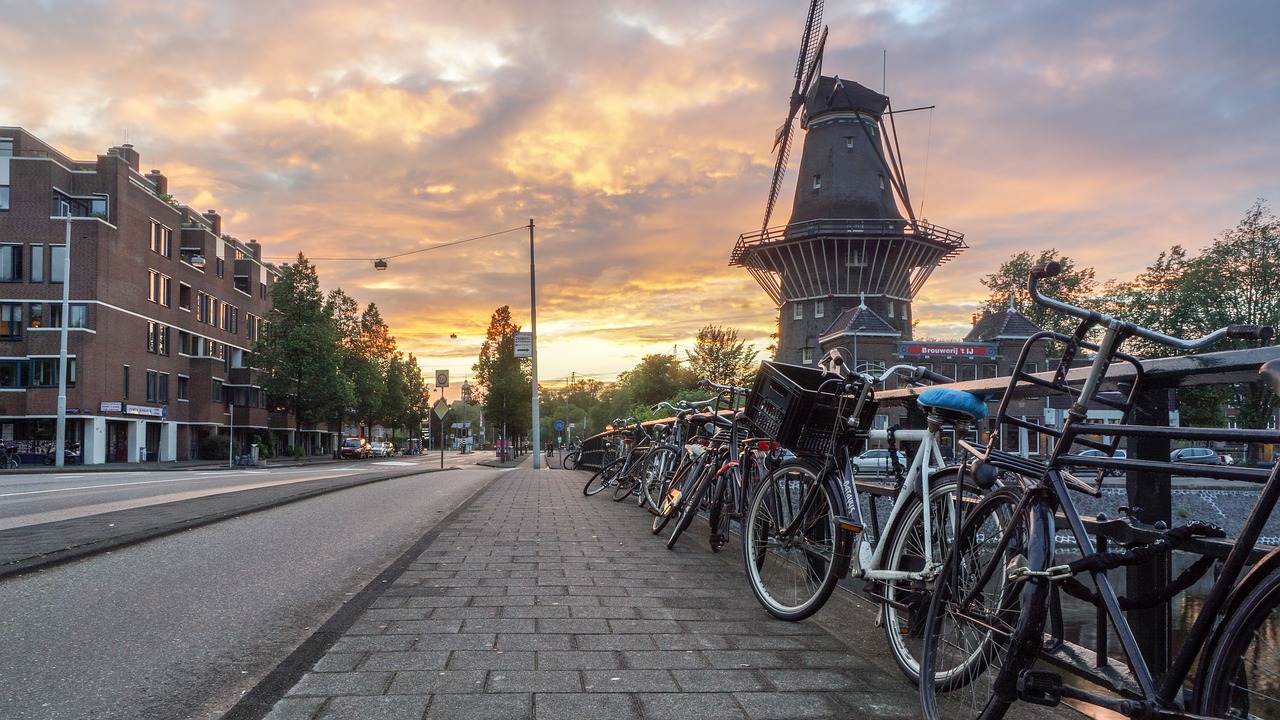
Is the Netherlands Good for Expats? Pros & Cons of Living in the Netherlands
I truly love the Netherlands and I had a pretty good life. Even my kids after spending a few days in the country started asking if they could move there.
The truth is, most expats moving to the Netherlands have no clue what Dutch bureaucracy is really like, and how many things you have to deal with.
Things can seem easy because the Dutch speak English very well (even if they claim they only speak a bit), but it doesn’t mean that you will be able to arrange everything easily without knowledge of Dutch.
These days the Netherlands is a true melting pot of people from all over the world. It’s not unusual, especially in bigger cities like Amsterdam, Haarlem, or Den Haag, for schools to have only 50% Dutch native speakers.
As everyone wants to move to Amsterdam, there is obvious pushback from locals who don’t want more immigrants. While you might think it’s unwelcoming, two main reasons for it make it understandable: the 30% ruling and the housing shortage.
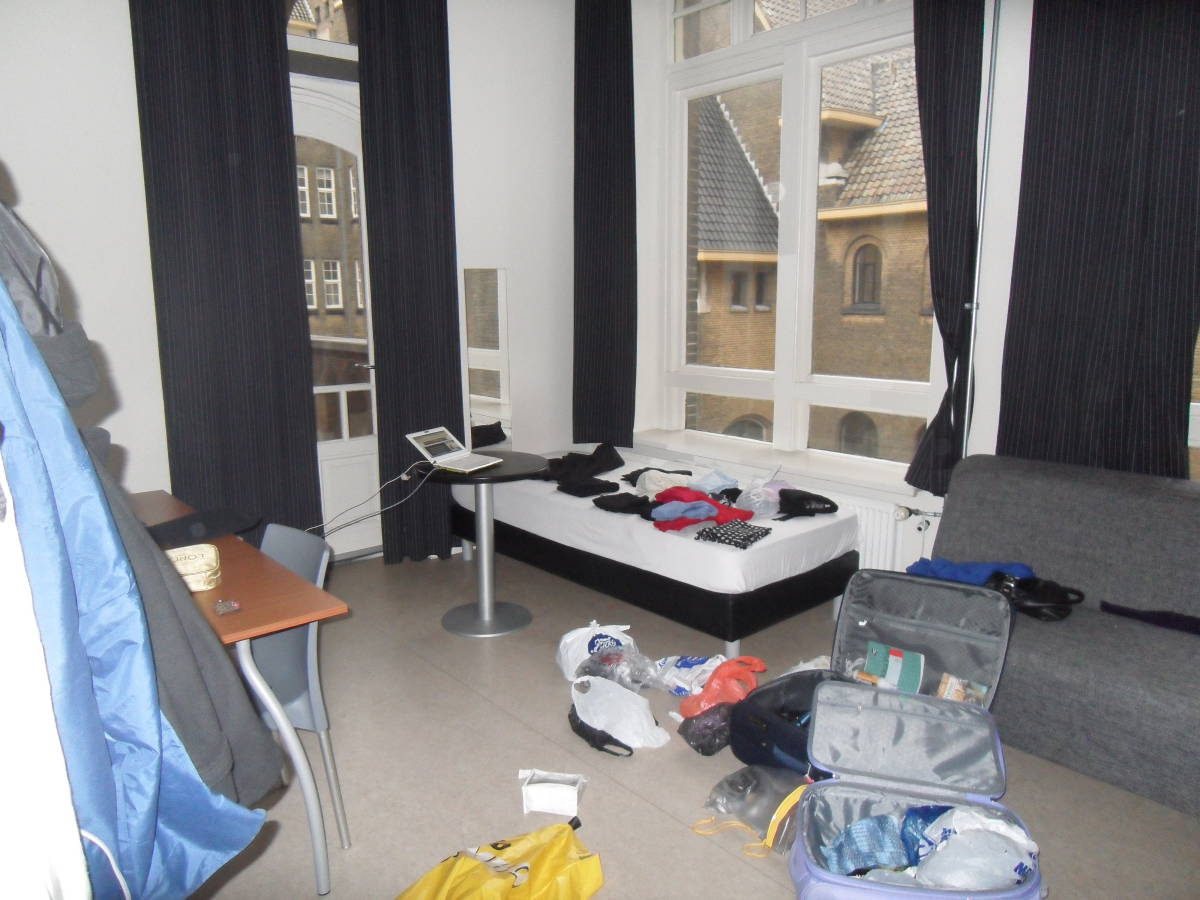
Taxes in the Netherlands: What is 30% Ruling?
Taxes in the Netherlands are surely high. The average annual salary in the Netherlands is about 40,000 EUR. While it might seem low for Americans, it’s on the higher end of European salaries. If you make under 37,000 then you’ll pay less than 10% taxes which for me back in my student and entry-level jobs era was wonderful.
However, for those making between 37 and 73,000, you will be hit with 37% tax, and anything over will be taxed 49%. These tax rates are high and there’s no discussion about it. Yet, if you’re a foreign newcomer there’s a tax discount…
The 30% ruling is a Dutch tax advantage for highly skilled employees hired from abroad to work in the Netherlands. If you can meet the various conditions, your employer could pay up to 30% of your salary as a tax-free allowance for 5 years. It’s a huge amount of savings and other random benefits.
For example, if you qualify for 30 Ruling you can simply exchange your driver’s license for a Dutch one, while others have to redo the whole driving course and exam in Dutch basically, and European driver’s license exams aren’t easy.
The rule has been controversial for years and this is why from 2024 expats who meet the conditions receive the following tax benefits:
- 10% tax-free for the last 20 months.
- 30% tax-free for the first 20 months;
- 20% tax-free for the next 20 months;
Issues with Taxes for Self-Employed
The minimum tax rate is 36.55%, for people who earn less than € 19,982. The issue with self-employment is that things add up and at times you might be taxed more than you’re making.
You will pay a ridiculous amount in taxes if you make a good American salary. It won’t be needed or impressive to locals either as people aren’t interested in wealth.
There are no remnants of the class system or hierarchy at work. A CEO will happily interact and drink with junior employees. There’s much more equality and people tend to be respected no matter their job is. No one is judged for taking a break from work for a year to pursue their passion.
It is quite common to work part-time to enjoy their hobbies (4 out of 10 people actually do). You don’t live to work in the Netherlands, you work to live and that also includes the service industry. You’ll need to do many of your errands between 9-5 on weekdays and usually 11/12-3 pm on Saturdays, with no exceptions, even if you have a 9-5 job.
Regular shops close at 5 pm and if you need to go to the ban or any governmental institution, view an apartment, or anything, you’ll need to plan to go during the workday. Supermarkets are open until 9 pm, with the exception of Sundays.
Each city has a designated day of the week called koopavond (in Amsterdam it’s on Thursday) where all the shops are open until 9 pm.
Toeslagen
When you live in the Netherlands for over half a year you may apply for a toeslag, which is a governmental help if you don’t earn enough. It can help tremendously, especially if you’re a recent graduate trying to make ends meet.
You can ask for zorgtoeslag – health insurance support, huurtoeslag – additional money for your rent, and other ones concerning, for instance, your kid. Again, the whole process requires you to have a DigiD and the ability to read Dutch.
Make sure not to make ANY mistakes in your predicted yearly income (including holiday pay and other bonuses)! Dutch social services are very precise and you might be asked to give some of the money back if you claim an income lower than you received.
Filing Own Taxes
While taxes might sound scary, if you have a job in the Netherlands it’s actually pretty straightforward to file everything.
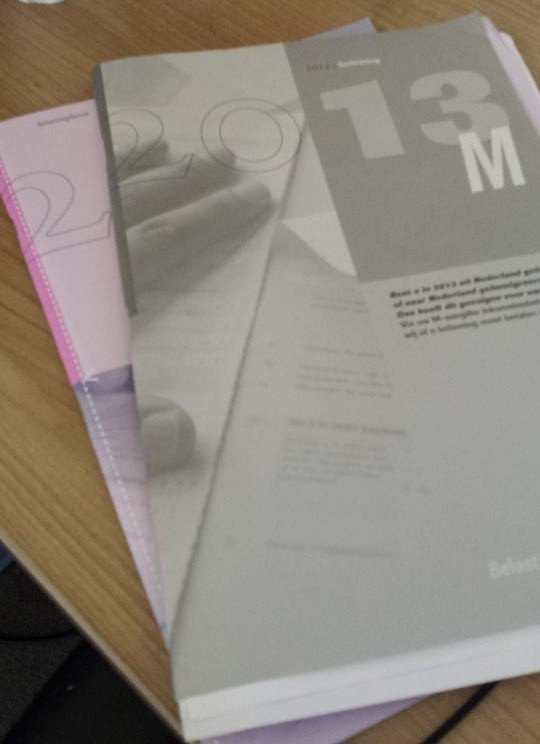
If you haven’t lived in the Netherlands for longer than a year or lived part of the year abroad, you’ll have to fill a Form M.
It’s basically a form containing over 80 pages of questions to fill in – all of them obviously in Dutch, regarding the income and expenses for the past year.
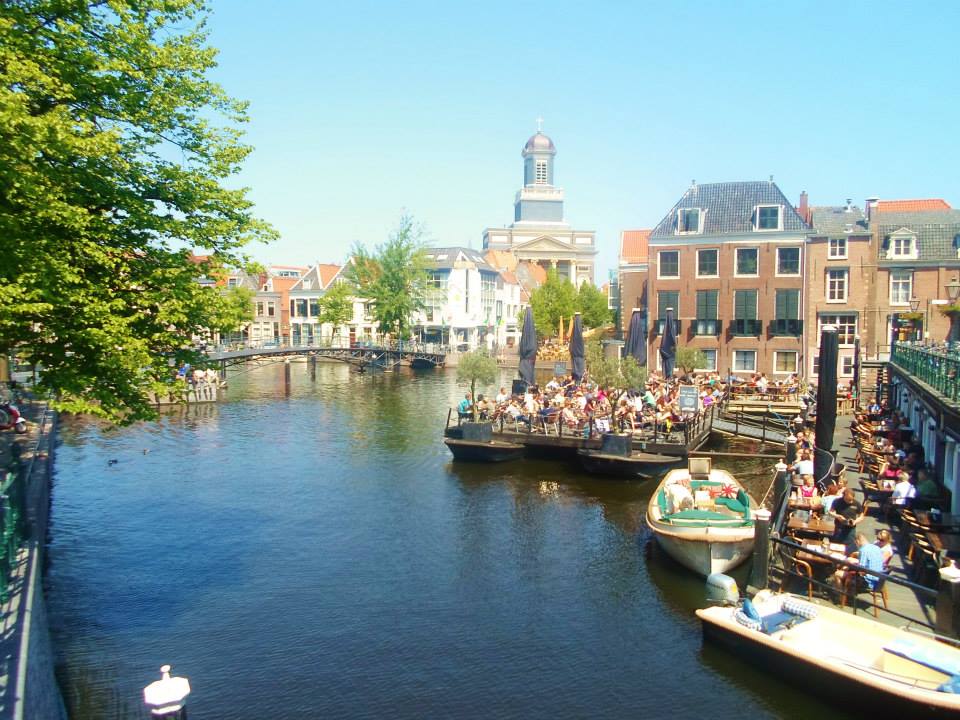
Do They Speak English in the Netherlands?
Most Dutch people speak excellent English, but they will always tell you they only speak a little bit of English 😉
Dutch is a fairly easy language to learn, especially for English speakers because it has many similarities. The grammar is simple and reading is straightforward.
Learning Dutch, however, can be frustrating because if they can hear that you’re struggling with Dutch people will just start talking to you in English. Don’t be offended, the Dutch are very practical people, and they just want the conversation to be as easy as possible.
I was proud of myself when people finally stopped answering me in English, but I will say that it took a lot of effort and a long time.
Do you have to speak Dutch when moving to Amsterdam? There are many expats who don’t speak any Dutch and get by, but honestly, it makes sense to learn some. For example, if you ever need to call the tax office for any toeslag or other queries, you need to know basic Dutch. You can’t count on any help from the Belastingdienst office, because it’s just they are not allowed to by law since English is not officially a minority. The only way around is to start speaking Dutch to them and then they MIGHT say it’s fine to switch to English. Because you made an effort to speak some Dutch.
DAFT Option for American Citizens Moving to the Netherlands
DAFT means Dutch-American Friendship Treaty and is an option for American citizens moving to the Netherlands as an entrepreneur. The process takes a while, but it’s not impossible to arrange it all. Especially if you can hire someone to help you with the documents.
The first step is to apostille birth certificates and marriage/divorce certificates. You are also required to have a capital of 4500 EUR deposited into your business account that you cannot spend.
You can bring your spouse and kids and they will be allowed to have a normal full-time job, but you (as a sponsor) need to work for only your own business.
The whole process takes a long time because appointments are schedule months in advance and most of the time you just have to wait. But, it’s a relatively straightforward process – at least until you arrive in the Netherlands (more on why under housing).
You can renew DAFT permit and it will be extended by 5 years, after which you can apply for permanent residence (after passing B1 exam in Dutch). Once again you’ll need to show proof that your business is earning revenue.
Housing Issue in the Netherlands
The housing crisis is a bit problem in the Netherlands. Many claim that “it’s bad everywhere”, but you have no idea how bad it is in the Netherlands unless you’re there.
You need to live in an apartment that allows registration to apply for a BSN number (Dutch social security number), because without this number you cannot work, you cannot get health insurance, study, or open a bank account – basically, you cannot live. A sublet or AirBnbs (many of which are banned anyway) don’t allow registration and in fact, not even all long-term housing does.
All apartments in the Netherlands will ask you to provide evidence that you make 3x rent in income, and if you’re an entrepreneur, you’ll need at least 6 months of bank statements to back it up.
Every rental gets thousands of requests and most apartments disappear within seconds. Other places still do castings for the apartments and whoever pays on the spot and gets approved wins. You need a broker who knows people who can get you an apartment – this is truly the only way, but it will cost you a fee of one month’s rent.
If you really want to find a room on your own, get an account on Kamernet and search through various Facebook groups for expats in the Netherlands. Be prepared to attend a few hospiteerabond, sort of casting for roommates. Current flatmates are going to ask you and other potential roommates a ton of (often ridiculous) questions and then call you back (or not) if they pick you.
Speaking of… yes, Dutch rental apartments don’t come with the floor. Consider that apartments and even student rooms come totally unfurnished. I mean like, completely unfurnished. Your apartment might come without floors and walls might be raw and unpainted unless an agency does you a favor. It’s common to bring your floor, lighting, everything including light switches with you when moving or negotiate with the previous owner to buy it all before they leave.
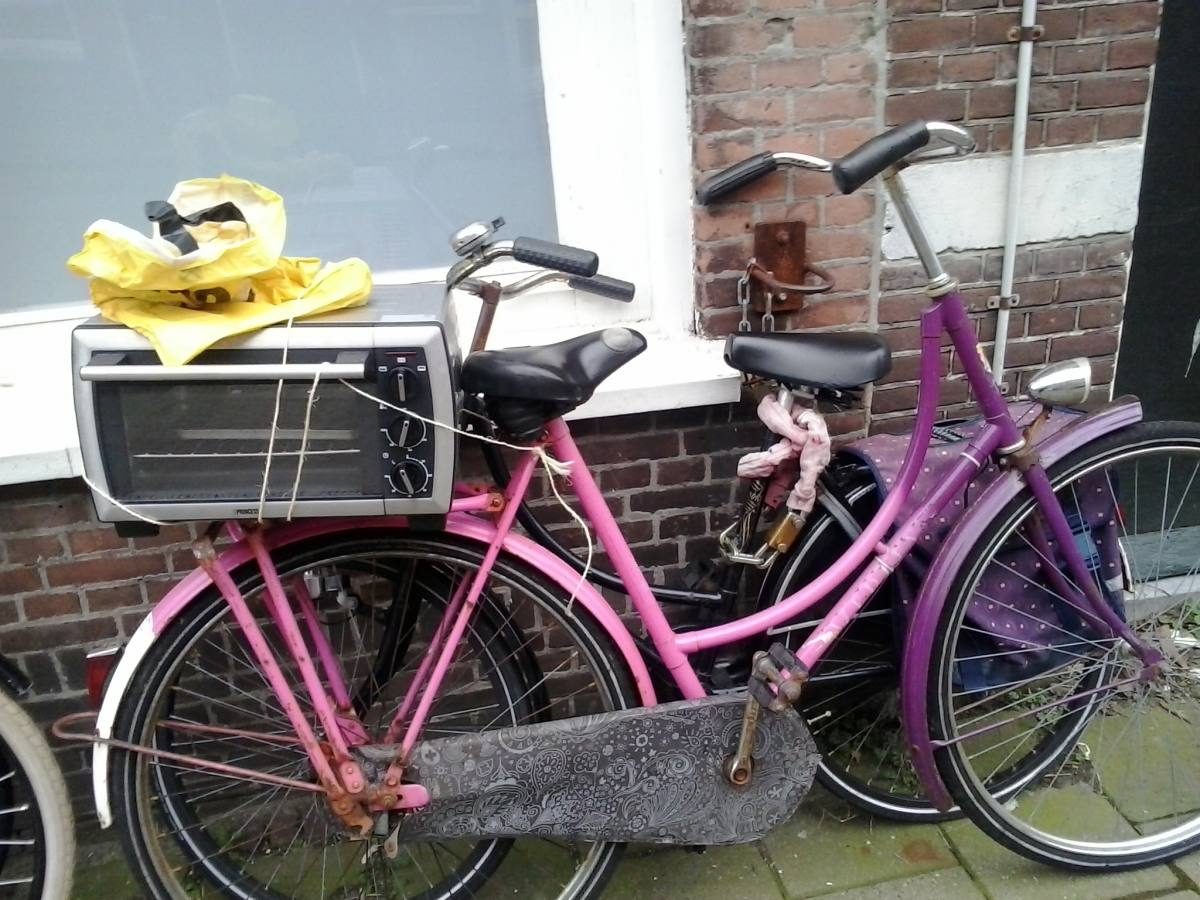
Needless to say, you usually won’t find a fridge, washing machine, or stove in the rental apartment. Since Dutch strongly believe in DIY culture you might get instructed that it’s easy to put the floor yourself and you’ll see many people move furniture on their bikes or carry a sofa around town. I’ve done it myself a few times.
Buying a House in the Netherlands
It’s easier to just buy a house in the Netherlands than it is to rent. It’s still not easy and again, requires a good broker (makelaar). Basically, you cannot be too picky, because the housing issue isn’t just in big cities, but also applies to small towns and villages.
You don’t need 20% to make things work. You can buy with even 5% if you wish. It’s definitely easier to buy a house if your budget is over 600,000, but for the 300-450,000 houses it’s a real battle.
Registration
As mentioned above, when you first land in the Netherlands you’ll have to register at the Town Hall and get your BSN number, in order to do anything.
It’s a simple process, but due to a huge influx of foreigners quite often, the appointments are booked way in advance.
To register you need a birth certificate (translated into English or Dutch), a housing contract, a job contract, or a university acceptance letter. Within 2 weeks you’re going to receive your BSN by post (many things work by post in the Netherlands).
How to Apply for DigiD Number
When you get your BSN you should immediately apply for a DigiD number. DigiD (short for Digital Identification) is a form of online ID that allows you to access many services and government websites in the Netherlands. It’s like a digital version of your passport.
You need your DigiD to do your administration online in the Netherlands. It will give you access to Studielink (if you study in Holland), allow you to do your taxes, and register for health insurance. When applying for DigiD you’ll experience your first problems if you don’t speak the language – the website is only in Dutch.
How to Open a Bank Account in the Netherlands
Opening a bank account is easy, as long as you’re either a student or have a job. The only trouble you can come across is that online banking is obviously all in Dutch, so my advice is to learn some basics.
Without a Dutch debit card, you can’t pay for some things like for example train tickets or pay for groceries. Credit cards aren’t that well supported and only some cards will work. Last time my Visa worked, but my husband’s Mastercard did not.
If you come from a country where checks are used like the USA, bear in mind they just don’t exist in the Netherlands. I really like the set-up of Rabobank, as their app is amazing and I never had major issues with anything.

Finding a Job in the Netherlands
Most people move to the Netherlands for a job already set up and get a relocation package. However, finding a job as a foreigner even from within the country isn’t easy. The competition is huge, so you really need to show off your skills, language abilities and unique assets to get noticed.
Healthcare
Health insurance in the Netherlands is compulsory. If you’re not going to organize your health insurance within the first 4 months you’ll get a fine (around €385) and the Dutch service will automatically assign you to one and bill you for it. The Dutch health system requires you to pay at least €145 per month for basic insurance coverage and you usually have about 800 EUR deductible (own risk).
Dutch healthcare is always a subject of many controversies because it has some advantages and many disadvantages with the biggest one being underprotective. It’s a running joke that no matter what’s wrong with you just take paracetamol because this is literally what the doctor will tell you to do.
I experienced it first hand when I broke my shoulder skiing and the doctor’s advice was that they could do an x-ray, but we know it’s broken so why waste money and time? I should just go home and take some paracetamol and wait it out.
Schools in the Netherlands
If you’re moving to Amsterdam or anywhere in the Netherlands with children, things might get tricky there for a few reasons. I explained how to register for school and how the school system works in general in another post, but most importantly: you might not have the option to register kids for an international school.
Just like in Mexico, while there are plenty of international schools they’re full. Many public schools are full too and with many different school types, your options might be limited and it’s a frustrating process.
Homeschooling is illegal in the Netherlands, but what put my family off is how strict the school is. You cannot miss school for any reason and if you do, you will pay a fine over 100 EUR a day.
When it comes to raising kids in the Netherlands your child will also need to pass the swim diploma to participate in pretty much any activity.
Expat Communities in the Netherlands
There are a ton of expats in the Netherlands and you won’t have any issues making friends. However, the truth is that expats and Dutch communities don’t normally mix. Most foreigners even after living in Holland for a decade still can’t even find one Dutch friend, unless it’s just someone at work they know (but don’t hang out).
Are Dutch people not friendly? Absolutely not, and I’d go even as far as to say that if you make a Dutch friend they will be genuine friends for life.
Get used to people openly talking about topics that could be taboo in your home country. It’s normal to talk about sex with people you just met. Be prepared to have some interesting chats on your first dates as well. The most important, Dutch make it easy as if they have a problem with you, or if they don’t like you, they will tell you.
If you learn Dutch and embrace yourself in the culture of the country, then you can make some Dutch friends. I have various Dutch friends and I know that it’s not impossible, but it requires effort on your part.
You’re probably thinking I’m trying to scare you away. I’m not – at the end of the day moving to the Netherlands is your own choice. However, you have to have a lot of patience to live here and it’s better to know what’s your signing up for.
Do you have any questions about moving to Amsterdam? Let me know in the comments below!




Very informative and enlightening post Anna. It certainly sounds complicated and bureaucratic.
I’ve made numerous business trips to the Netherlands but typically they’ve only been for a week or so. I’ve never enquired about living there. It does sound very complicated and prejudiced. I’m not sure how well the anti non-Dutch speaking goes down in EU law but clearly it is tolerated.
I guess I can’t blame the Dutch for making is hard for foreigners – in the end it’s better to give jobs to your own citizens 🙁
As a Dutch person, I just wanted to add something to this article.
I would never say that the taxes and health insurance policies are very efficient in the Netherlands, but I would like to say that, although the Netherlands is known as a very international country, it is important to remember that the first language here is Dutch, and not English.
So even though it would be nice if it was easier for foreigners to arrange stuff like this, if you move to a country and you do not speak the native language, you can always expect some difficulties.
Thanks for the comment! I actually do speak Dutch (I was able to pass Staatsexamen II),although most of my international friends don’t. Even tho I speak Dutch a lot of companies rejected me and claimed I’d have to be a NATIVE Dutch speaker in order to get the job I applied for – and there weren’t jobs that required Dutch at all actually.
As a half Thai half Dutch person, I couldn’t help but notice how narrow minded your comment is. First of all, the reason we have languages is to communicate regardless of what language is used. Hence why Lingua Franca was introduced. I’m sorry but there are 100’s of thousands of native dutch people living abroad and quite a large number living in Thailand for decades. Not one can speak Thai fluently and on top of that foreigners are never hassled on which language they speak. If you can speak english and i can speak english then we shall speak english period. If you speak swahili and I speak french, I’m not going to be all snobby and wait till you can learn french. Come on, it is so petty this attitude towards different nationalities and their languages. Plus why would anyone bother learning dutch? It is about as useful as swahili. 16 million people in the world speak dutch. There are more people in my city that speak thai let alone the world, so why would i go through the trouble? If anything i would learn German, at least it’s a useful language – 100 million vs 16? Not just that but there is quite a lot of xenophobia in The Netherlands which is ridiculous as well. It would never survive without it’s relations with foreign countries. What do you think is going to happen in the next generation when all those highly ranked students from Saudi Arabia, China, Malaysia, Brazil etc are in positions of power. Do you really think they would want to help or trade on equal terms with the dutch after being treated as lesser humans during there university studies? Another thing, this xenophobia comes from foreigners who haven’t integrated into dutch culture if you can call it that. Do you know what a lot of the dutch go and do in less economically developed countries? Because that makes me sick. I’ve had enough of this. this was for Maud not ANNA, thank you Anna for all your information
It is very true that the Dutch while claiming tolerance towards other cultures, languages, and countries are extremely xenophobic, and do not like immigrants, foreigners, or even other Europeans. Unless of course they are making money from us, then they love foreigners.
Excellent post! Just a small comment on the tax part. If your income is below a certain amount you don’t have to pay any income tax at all! Which means you can get all the taxes you paid back. I believe this amount you can make is something like 6000 euro’s a year (gross). Even if you made more money then that you can get a lot of the taxes you paid back. For example I myself made something like 8000 euro’s in 2013 and I got 1000 euros of my taxes back.
Thanks Anna for the info. I’m Holland ready! 😀
I wonder how big is toeslag? €108 per month for insurance sounds wildly too much for me, but maybe because I’m from Ukraine and we don’t really care here! 😀
Yeah, it’s a lot and it’s compulsory. Toeslag depends on your salary – it has to be low, but the maximum of what you can get is 72 euros a month.
108 euros a month is a God send. In Hawai’i your Health benefits for a fulltime working employee is from 700 to 1000 usd a month For Single Person coverage. Which is incorporated in your non taxable income base. Your Co – payment is usually 20 to 100 usd per doctors visit. I’d say the Dutch have it alot easier when it comes to health insurance
Well, salaries in Hawaii are way better than in the Netherlands 😉
Now I’m here and I know what you mean :D!!!
Welcome Agness. Your survival training has started 😀
Hi Anna–really enjoyed this! I’m helping a friend have a car shipped to the Netherlands (from the US) and she’s concerned about the taxes she’ll have to pay. After reading this, it sounds like she may have good reason to be worried. Do you have any experience with owning or registering a vehicle there? The only info I could find without contacting the customs office was here https://www.a1autotransport.com/ship-car-to-the-netherlands.php and there wasn’t a much about tax rates or where to find info about registering, other than there’s a lot to do. No worries if you can’t help, just thought I’d try to ask someone who’s more familiar.
Best, Larry
To be completely honest I’ve no idea Larry since I’ve never owned a car in Holland, but it shouldn’t be harder to insure it than it is in the US.
Very interesting information. I am going to study in Netherlands. I just have received my letter. I am veryyyy happy. I know that I have a lot of things to arrange. Thank you for helping people like me. 🙂 Best regards!
Congrats, that’s exciting! Which university?
Utrecht University . I am looking forward it 🙂
Ania pieknie napisane. Mieszkalam tam przez 3 lata (Leiden i Haga) i to byl koszmar!Ja tez uwazam ,ze holendrzy sa niemili i niegoscinni w stosunku do obcokrajowcow, a o biurokracji nawet nie wspomne.Szkoda bo kraj sam w sobie piekny 🙂
Dokladnie hehe! 🙂
It’s so funny to read this, as when I decided to start blogging, my first article was about “Moving to Netherlands” and I encounter exactly the same problems like you. I feel much better knowing I was/am the only one! 🙂
That’s so funny! I was living in Holland when I started my blog 🙂
Hi All. Anna i saw ure blog and interesting isses was discussing there.My husband is Eu citizen, we want to move to Holland, actually he will move there first to try to find a job , a question he will stay?Can he rent a place without having a job??almost 2-3days im looking for this info
He has to rent a place before getting a job, since in order to start working he needs to have BSN number ready and that will arrive to his address by mail, so make sure that he asks the landlord is he can register at this place. He might need to prove that he has money saved from a different country, a lot of rental agencies ask for it.
Thank you for information.
Hi Anna,I am a nurse by profession from Kenya,My girlfriend is in netherlands and we are planning to live together,I have already done a course in Dutch A1 and passed though not well fluent,do you think it will be difficult for me to have a job in healthcare?
Hi, I actually have a lot of friends who are doctors, nurses, and psychologists. First of all, since I’d assume you obtained your nursing qualifications in Kenya, you need to check what do you need to do to validate your diploma in the Netherlands. I know that for my law qualifications I would have had to do another Bachelor’s degree since my UK degree wasn’t valid. From my quick search online in your case you’d need to pass a nursing exam in Dutch. Dutch are VERY strict about fluency and since you’d be dealing with patients you’d need to speak fluent Dutch I’m afraid.
Thanks for sharing your experiences with moving to the Netherlands! It’s always fun to read these articles from an expats perspective.
I like your blog because you are share the valuable information on moving Netherlands. I found much this useful information. Thanks for sharing this so interesting post! I really want to be thankful for the way you have put it here.
I always read your all post and I collect some different type of information. After reading Moving to the Netherland post I got Enough information to Netherland, that is helpful for me. Because I’m planning for travel in Netherland. Have you more Information about Netherland? Please help me that I can enjoy my tripe.
More posts coming up!
Thanks for sharing your experiences with moving to the Netherlands! I’ve made numerous business trips to the Netherlands but typically they’ve only been for a week or so.
Thank you for sharing the valuable information about the BSN and the job settings with regard to that.
Informative article. All the things you have discussed in your post are helpful for many people who wants to move in the Amsterdam, Netherlands. Thanks for sharing such blog post.
That is a lot of dishes for a small cuisine. I wish I can visit Netherlands one day. It looks amazing!
Excellent post and very informative, I find the Netherlands so beautiful and one of my top places to visit 🙂
Reading through the article, it feels like one has to carry a bag of money when moving. But people do move to The Netherlands and I don’t think most of them are super-stable financially. Would 2000 – 3000 EUR do for a start? How long does it take to rent a room with a registration possibility? Thanks!
Yeah, moving is always price as you need to pay deposits and spend a lot up front. Finding a right room is really a matter of luck. Some people can’t find one for a year, others get lucky and get one in a month. You never know.
How do the unlucky ones survive then? I believe it’s possible to get sort of a tax number, aka temporary BSN to start working. Is it extremely important to socialise and make “friends” there? To me it seems like The Netherlands is more like a Nordic country rather than a mainland European one. I’ve been to Copenhagen before and it all sounds so familiar. But I believe that Dutch people are much more friendlier towards foreigners than the yucky English ones. I’m actually moving from England, more than fed-up with it in three year’s time. The English mentality is a mistery for me.
Dutch people are friendly and very straight-forward, but it’s hard to integrate if you don’t speak Dutch.
No Gemeente will register you and give you a BSN without a Dutch address. I couldn’t even register for my university or open a bank account with BSN. It’s the first thing you need to do. The temporary BSN using your foreign address is only for those staying for less than 4-months I’m afraid.
Hi, I read your post. It’s very interesting and useful but I have one question. How can I have my BSN if first I need a job but I can’t find a job without BSN? Additionally, browsing on the job websites i noticed that the vacancies are mostly for skilled workers. Is there any websites for jobs as sales assistants? Thanks for you help.
You can get your first job before you get your BSN number. Once you find your first job and get it, then you’ll inform them that you need a BSN and get it after you receive your contract.
There are many sales assistants jobs, but obviously, you need to be fluent in Dutch for that so these job vacancies are advertised in Dutch. English speaking jobs will be only for skilled workers or in certain companies that need editor of your native language.
You can get your first job before you get your BSN number. Once you find your first job and get it, then you’ll inform them that you need a BSN and get it after you receive your contract.
There are many sales assistants jobs, but obviously, you need to be fluent in Dutch for that so these job vacancies are advertised in Dutch. English speaking jobs will be only for skilled workers or in certain companies that need editors of your native language.
The Netherlands is a really nice place. I like to live in the Netherlands. You share the moving to Netherlands information is very helpful. Great information you share on this blog. Thanks!
Hi Anna! I found your blog very useful. i’m actually looking for a curse in Dutch. Im from argentina and wanna move to the netherlands. im a bit scared about the first days there. I should arriva to the hostel and start looking for the apartmernt? then, ask for the registration, DigiD, healthcare, etc? Also, I dont have a degree… I wanna study there once I found a job
Thank you very much!
If you don’t have a valid visa or EU passport then you won’t be able to rent an apartment, get a job or register I’m afraid.
A lot of criticism on the Netherlands and the Dutch in your blog and in the comments. Interesting to read this from the expat’s side. Some of it may be just from your point of view, some aspects of bureaucracy (government organization) the dutch may dislike as much as you do. And yes, there is racism here, as in most (if not all) countries. Still, you all leave your own country, apparently desperate to live here to enjoy our wonderful full democratic country, since we are on most top 10 lists of best countries/cities to live in. Expats coming here for different reasons, some are here because of their sexuality, being unable to be who they are in their own country. And then you all seem to be surprised that you have to make a little effort to get used to the unfamiliair ways, or to learn the language. Dutch people themselves have to make an equal amount of effort to get jobs, housing, get toeslagen, get their taxes back etc. And yes, we speak, write and read fluently in Dutch. The difficulties white expats may meet in their temporary stay in the Netherlands, cannot be compared with the difficulties true immigrants meet in the proces of getting rooted here, which usually takes at least one generation. Country hiphopping and celebrating the international, global lifestyle is one thing, going through the mud, the difficulties and the deep process of re-rooting is another thing. The Dutch language is spoken in The Netherlands, Belgium (Flemish), Surinam, Dutch Caribbean, and Southafrican is a dutch-based creole language. Dutch and German are different languages, but with some effort on both sides we can understand eachother – if necessary. Most Dutch people here speak at least three languages: Dutch, English, and an extra language, mostly French or German, sometimes Spanish or Italian. This doesn’t mean we do it without effort. I guess the same goes for expats whose native language is not English. Sometimes you just want to speak your own language. When I’m really tired I just don’t want to make that extra effort most British or American expats don’t even try to make in the first place. I know “expats” speaking Dutch very well, or well enough, learning most of it because they made an effort to learn it, got out of their expat “bubble”, and befriended Dutch people. Their Dutch friends can usually help them in a way. My Dutch friends living abroad do speak the native language in their new countries fluently, very well or good enough. And they made friends in the local community.
Explaining how the system works is different from criticizing it. Can it be complicated for expats? Yep, that’s why I described the process. I speak Dutch actually and regularly hang out with Dutch people, but I agree with you that most expats do not. Hence also why I don’t fully consider myself an expat anywhere I live, because as you said – most don’t integrate.
It’s so funny to read this, as when I decided to start blogging, my first article was about “Moving to Netherlands” and I encounter exactly the same problems like you. I feel much better knowing I was/am the only one! 🙂