

Moving to Mexico: Step by Step Guide

Many travelers have told me that they didn’t enjoy Mexico City as much as the rest of the country. As a traveler, expat and digital nomad who lived in Mexico City for over two years and kept returning before moving onto Playa del Carmen, I can definitely see why a lot of people don’t view it as a must-see in Mexico.
As one of the biggest cities in the world, Mexico City cannot be explored in just a few days. If you live there, you also know that there are many areas that you simply don’t ever want to visit. Mexico City is a huge place and a lot of people feel lost in it. They get confused about where to go and how to get there. I’ve also heard that some visitors feel overwhelmed by the locals, as they’ll try to talk to you all the time, even if you don’t speak Spanish.
What to Consider Before Moving to Mexico
Mexico has amazing food, great communities, fantastic nightlife, parks, and lots of events. There are so many things to do in Mexico City, road trips to take along the country, things are cheaper and weather is great (minus the seasonal hurricanes on the coast)!
The downside is the traffic, corruption and pollution, but it’s really not as bad as it’s often portrayed by Americans who have never been out of the resorts. Statistically speaking, it’s much safer in Mexico than in the US for regular people.
The thing is… there are many things that you can do in Mexico (legally) as long as you have the money and contacts for it. It applies to literally everything, from not having the correct paperwork, simply feeling lazy and going somewhere to arrange something, to getting something you technically can’t get done. It takes getting used to and knowing how to navigate.

Moving to Mexico Checklist
I think the biggest mistake most people do is picking a place to live – whether long-term or temporary, based on the beauty shown on Instagram. I know so many people who moved to Tulum on a whim wanting to stay a few months. They hated it, it wasn’t for them. Truth to be told, once you spend a few days in Tulum you get a feeling of why it’s an insane idea to base yourself there for a few months.
Why you are relocating to Mexico?
Do you want to live in an expat town? Are you looking for retirement communities in Mexico? Are you looking more for a laid-back beach town? Do you want a place with local vibes that is very different from home? Do you want a bustling city?
Mexico has possibilities for everyone, but you need to come to Mexico and pick a place to live. My good friends are happy in Merida while I hate Merida. I loved Mexico City, but a friend of mine said it was too busy for him. Test it out before pulling a plug.
Cost of Living in Mexico
Don’t move to Mexico just because it’s cheap. It might not be, especially in top places.
The cost of living in Mexico can vary a lot. It depends on the standard, your necessities, and place. It varies from $500 to a few thousand a months.
I lived in Mexico on a mid-range local salary (minimum wage in Mexico is $5 a day) and I also lived in Mexico as self-employed.
Most rents usually come with a housekeeper once a week, but lots of fancier apartments have space for a live-in maid as well. In Mexico City I could find a studio for 800-1200 USD a month easily.
In Playa del Carmen it became harder and harder due to the influx of snowbirds and expats. Last year you couldn’t find a decent place for less than $2000 USD a month, which isn’t cheap at all. This year prices increased even more.
Gas and food are cheaper in Mexico, but if you don’t know your way around you might get scammed at gas stations. Baby items are much more expensive than in the US though, so for example – if you were coming from Norway you might think it’s super pricy.
Although… Mexico is just a short flight to the US and you can bring things back. We used to do it with electronics a lot.
Learning Spanish
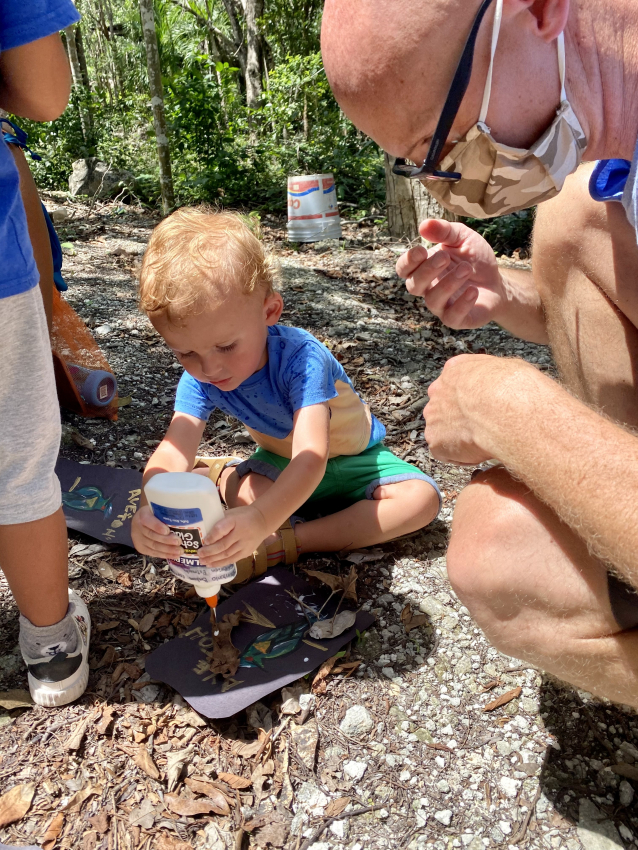
I see more and more digital nomads and expats moving to places without speaking a word in the local language. In Mexico you will need Spanish to navigate your life. You can survive without Spanish in some towns, but it’s not going to be the same and you’ll always be doomed to be treated like a naive foreigner and things will be harder for you.
I learned my Spanish in Argentina and then moved to Mexico. Mingle with locals, read a lot, watch TV in Spanish. Mexicans are incredibly friendly and will help you with your Spanish as long as you show them that you’re trying.
Paperwork & Visas for Mexico
A lot of people asked me if it’s possible to get a job in Mexico without a work visa. The answer is yes, however it depends on what you want to do.
Most of the jobs I had in Mexico didn’t require an FM-3 (work permit) and they were legitimate companies. The only place that asked me to show them my residency card was the CPK restaurant where I worked as a waiter. The majority of companies pay in cheques or cash. I never had to sign an official contract, as everything was an oral agreement.
Do you need to get a temporary residence permit (FM-3)? Yes you do these days.
Unfortunately, it is a long and annoying process, but it allows you to open a bank account, get a driver’s license and so on. These days you cannot apply for a temporary residence inside Mexico. You must arrange everything pre-arrival.
Step one is an interview. Step two is in Mexico, where you follow up with fingerprints and get your actual residency card. While your residency is pending (part two in Mexico) you cannot leave unless you request an exit permit.
If you’re a digital nomad then in the past you were fine on a 6-month tourist visa that Mexico gives upon arrival. Visa runs were still a thing as you can just re-enter the country.
Things have changed in 2020 when expats started flocking to Mexico. People from all over the world chose to stay in Mexico due to fewer covid-19 restrictions and doing it on a tourist visa. The government of Mexico has realized this, hence it has implemented new standards.
Now the amount of days for the stay in Mexico is at the discretion of the immigration agent in the airport – it’s not 180 days anymore!
Many people who have reservations for apartments for 2 months are only given 10 day stays. Before even the 180 days were expendable, but it’s no longer the case. If you get 10 days you must leave the country and re-enter, so don’t forget to check your tourist visa and the amount of time that you are receiving at the airport!
They also introduced “clean-up” when the police walk around and ask you to show your FMM tourist card so make sure you’re not overstaying your visa. You’re supposed to have a valid document on your all the time or risk being deported.
Mexico offers residential visas with fewer restrictions than many other countries, so it’s not as hard to get it if you’re planning on basing yourself in Mexico or returning every year.
Finding Housing in Mexico
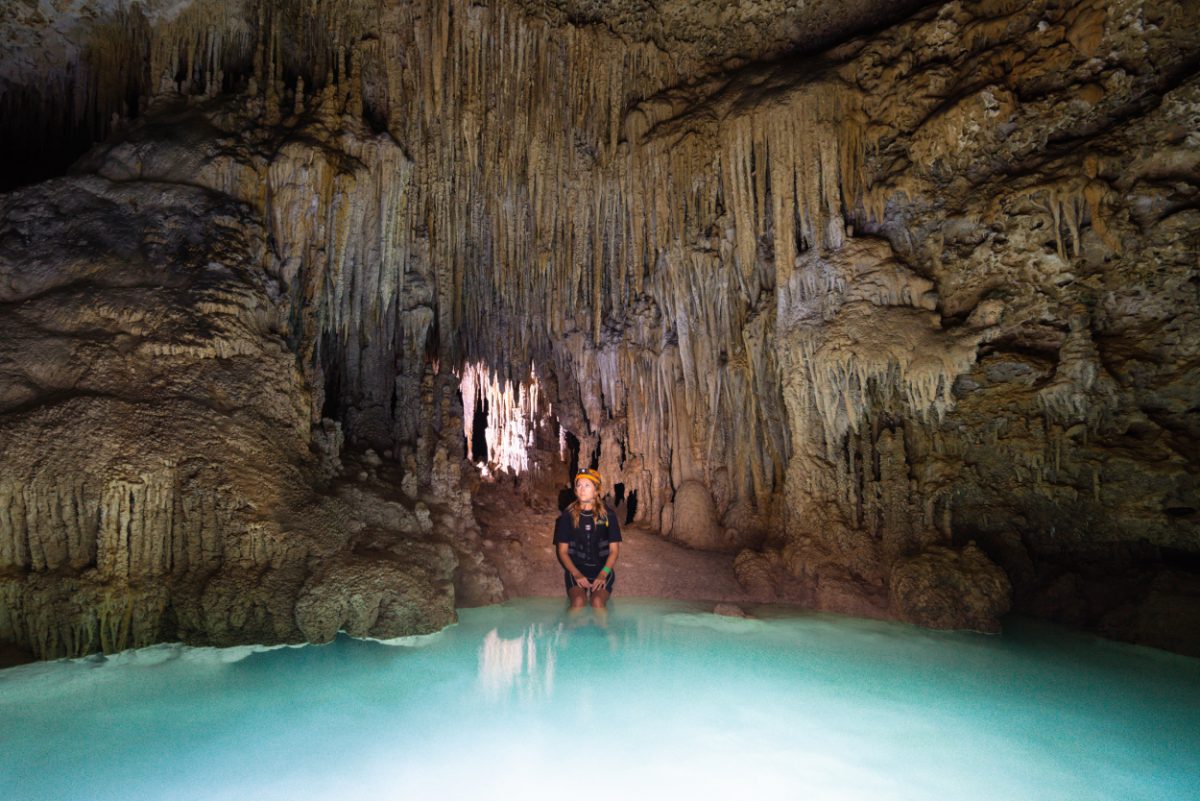
Housing in Mexico City is relatively cheap, but the standards vary.
You can look at sites like Vivanuncios, Segundo Mano, or Mercado Libre, Inmuebles 24, but I advise against pre-booking a long-term apartment. Firstly, because as a foreigner you cannot feel out the scams. Secondly, you want to see it in person. Third and most important, you don’t want to overpay as there are owners who count on foreigners not knowing the local rates.
Many things in Mexico work in a way “you know someone, who knows someone, who knows someone and you can talk about it”. Even when it comes to things like getting your baby’s birth certificate officially it may state that it takes an X amount of days and you need A, B and C documents, but in reality it really depends. This is something that requires getting used to.
My advice would be to stay in a hotel or AirBnb (check some of my recommendations for Mexico City here) for a bit and look for a place while you’re there.
Getting a Proof of Address
When you get your lease aks for a recent bill straight away because you will need it for every registration. The bill doesn’t need to be in your name – this is a misconception. I fully registered with bills under my landlord’s name without the slightest issue, as my apartment was all-inclusive.
If you wish though, you can go to CFE and get the bill changed to your name after agreeing with your landlord.
Public Transportation
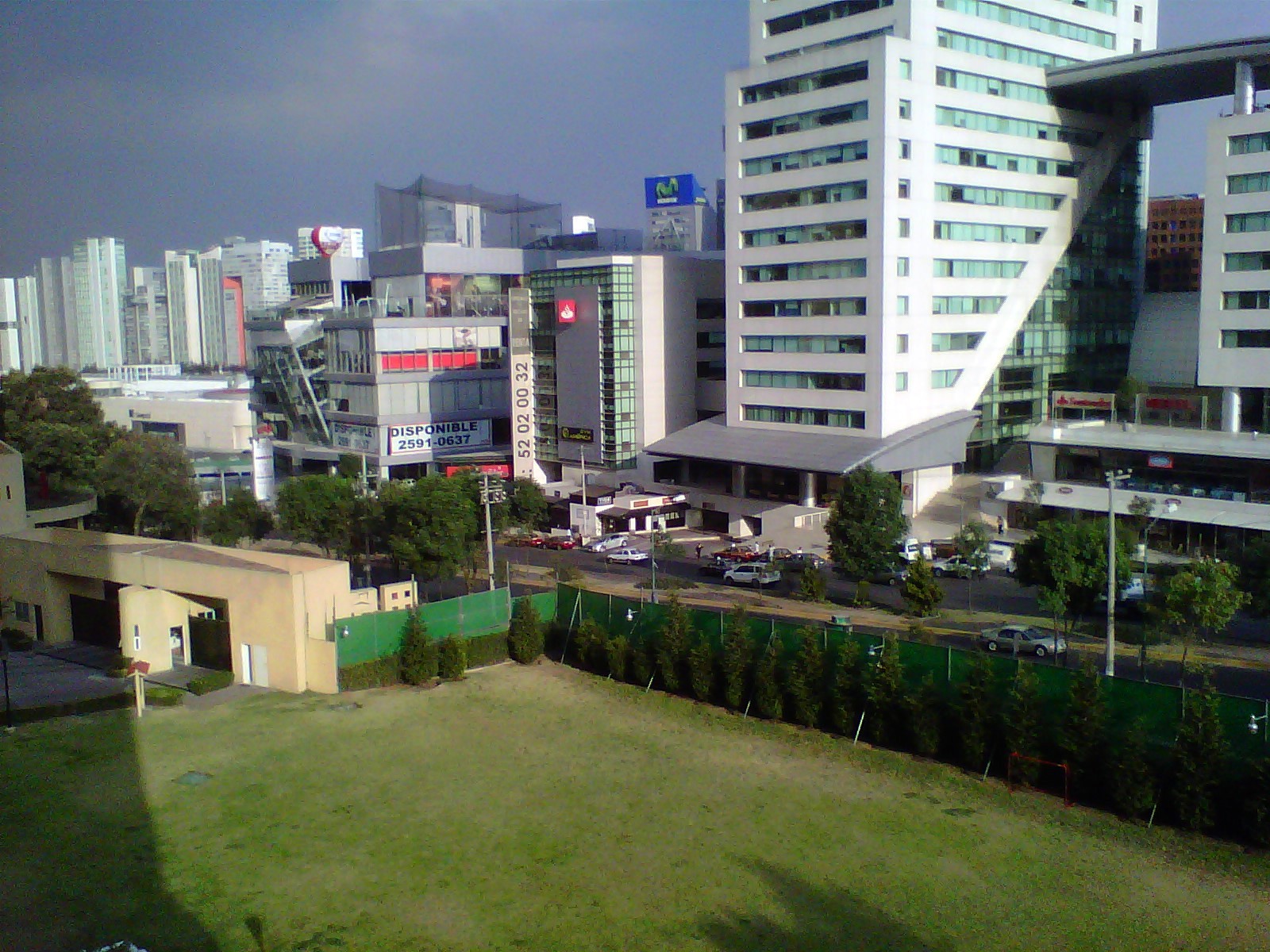
Mexico is similar to the US in the sense that you need to have a car if you’re moving long-term unless you stick to just one area, but it’s not very practical.
I’ll be real with you: I lived in Mexico City and Playa del Carmen without a car. I also lived in California without a car. You can technically do it, but it also involved overpaying for taxis in emergencies, not being able to reach work on time when a bus didn’t show up, walking in not-so-nice areas and inability to attend some things, or being able to drop kids at daycare I wanted them to go to.
In reality, yes, you do need a car or you’ll need to limit your life to a certain area only which isn’t fun or practical.
Buying a Car in Mexico
You can buy a car in Mexico without residency, but you cannot register it under your name. While you wait for your pending residency you could buy a used car and insure it. Then register it once you can.
Registering a car is simple an easy and people are very helpful.
Obtaining a Driver’s License in Mexico
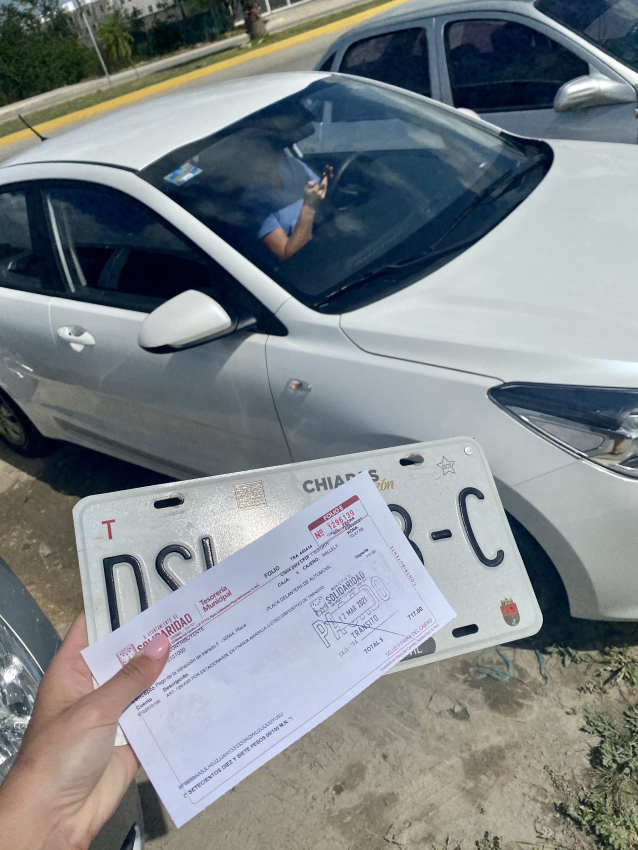
No matter where you move your driver’s license will only be valid for a year or until you become a resident. After that “grace period” you need to exchange it for a local one.
If your country has an agreement with your new country all you need to do is to validate it and exchange it, but if there’s no agreement you need to go through the process of obtaining a license again. This is why I had to re-do the exam in the US when my license was from Europe.
Mexico has a very straightforward process of getting a license, but it varies per state. Driving licenses in Mexico are issued in some states by the Department of Transport and Roads (Secretaría de Transporte et Viadidad), and in others by the Directorate General of Public Security and State Roads (Dirección General de Seguridad Pública y Vialidad). Rules and regulations vary from state to state as regards the age when it is legal to drive, the cost of the license, and the types of driving tests required.
I actually got my first ever driver’s license in Mexico and ironically, I got it legally without ever driving a car (it’s a story for another time).
In most states, you have to take a test on the computer (either in English or Spanish) and then do a driving test. It’s affordable and easy. You need to have the residency and proof of address in order to get a driver’s license though.
Finding a Job in Mexico
I’m not going to lie to you and say that you’ll be fine and find a job easily. I struggled for a while and had to change jobs a few times.
I started teaching business English, as I completed my TEFL certificate in Mexico City. Despite what everyone told me, finding a teaching job wasn’t so easy. It turned out that teaching was more problematic than I thought.
Opposite to small towns in Mexico where teachers can get a regular job contract at a language school, in Mexico City as a business English instructor I was assigned different classes at various companies. An hourly rate was quite high. However, every time a class got canceled I wasn’t earning any money. As a result, during Christmas for a whole month, I barely had any income.
Finding another job was a challenge and took me a long time. And when I finally succeeded the salary wasn’t enormous. This is why I suggest that if you don’t have a job set up before you move to Mexico, you could be way more comfortable as a digital nomad, rather than working in the city.
You also need to have your FM3 – temporary residence in order to get a job in Mexico these days. You can do basic jobs like diving instructor on a tourist visa, but the salary will be lower and you would need to leave Mexico in order to finally obtain your permit.
Importing Pets
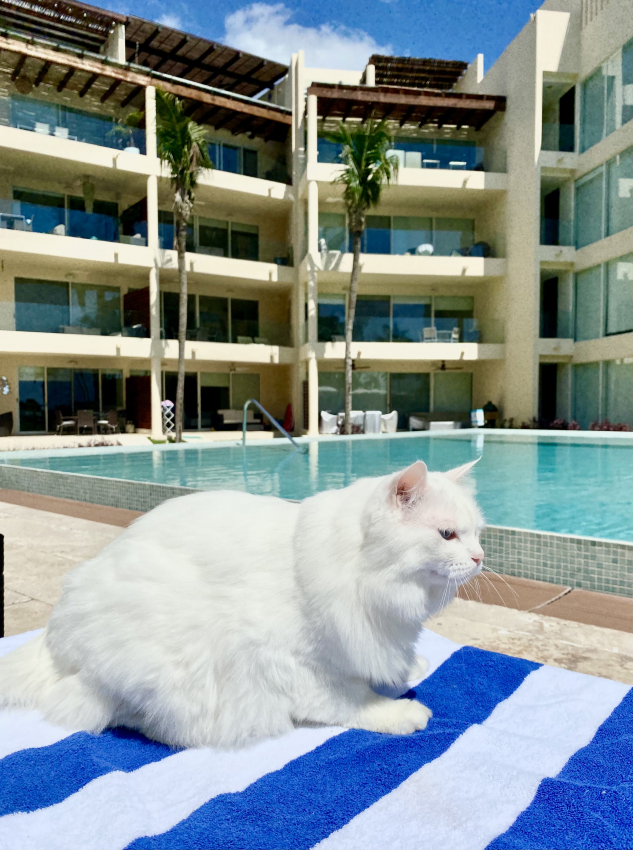
Mexico is super easy when it comes to importing basic pets unless your pets are coming directly from high-risk areas which are mostly Southeast Asia. I wrote a separate post on how to travel with a cat.
My cat has been living in Mexico last year and we’re bringing him back this year. It’s very simple if you have their pet documents in order.
Bringing Children
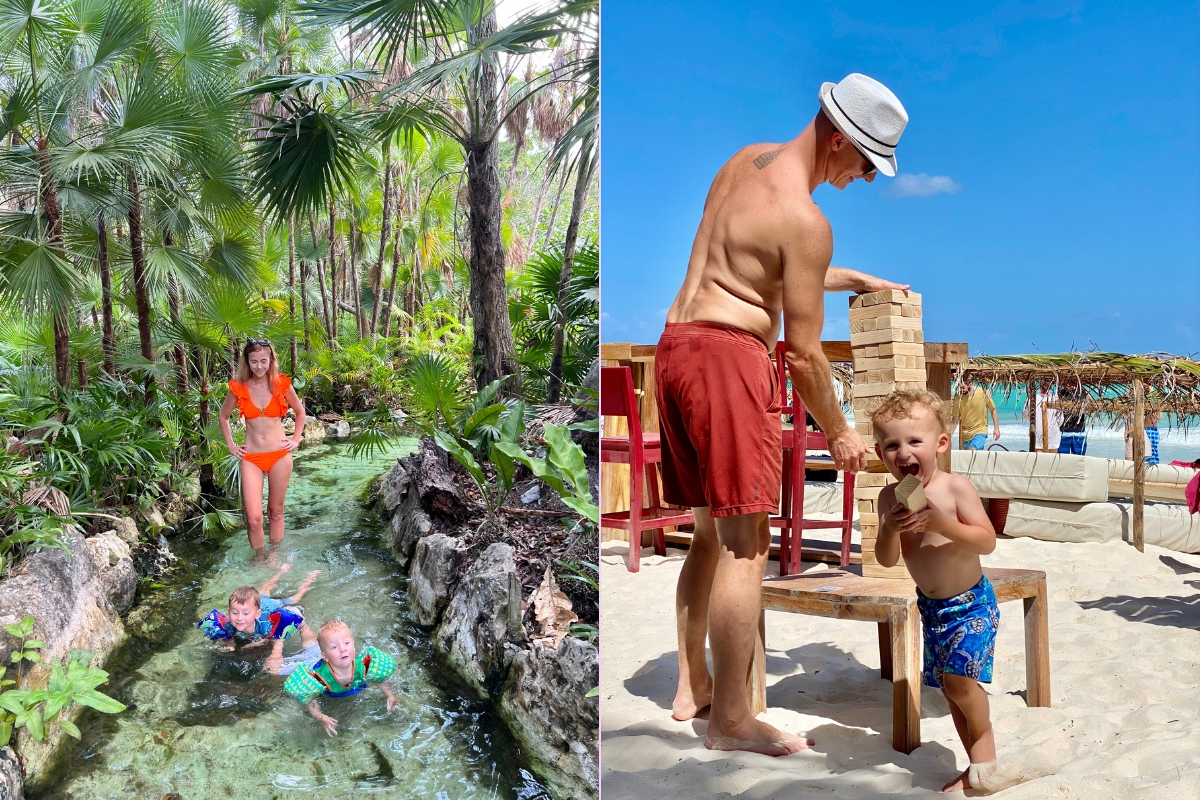
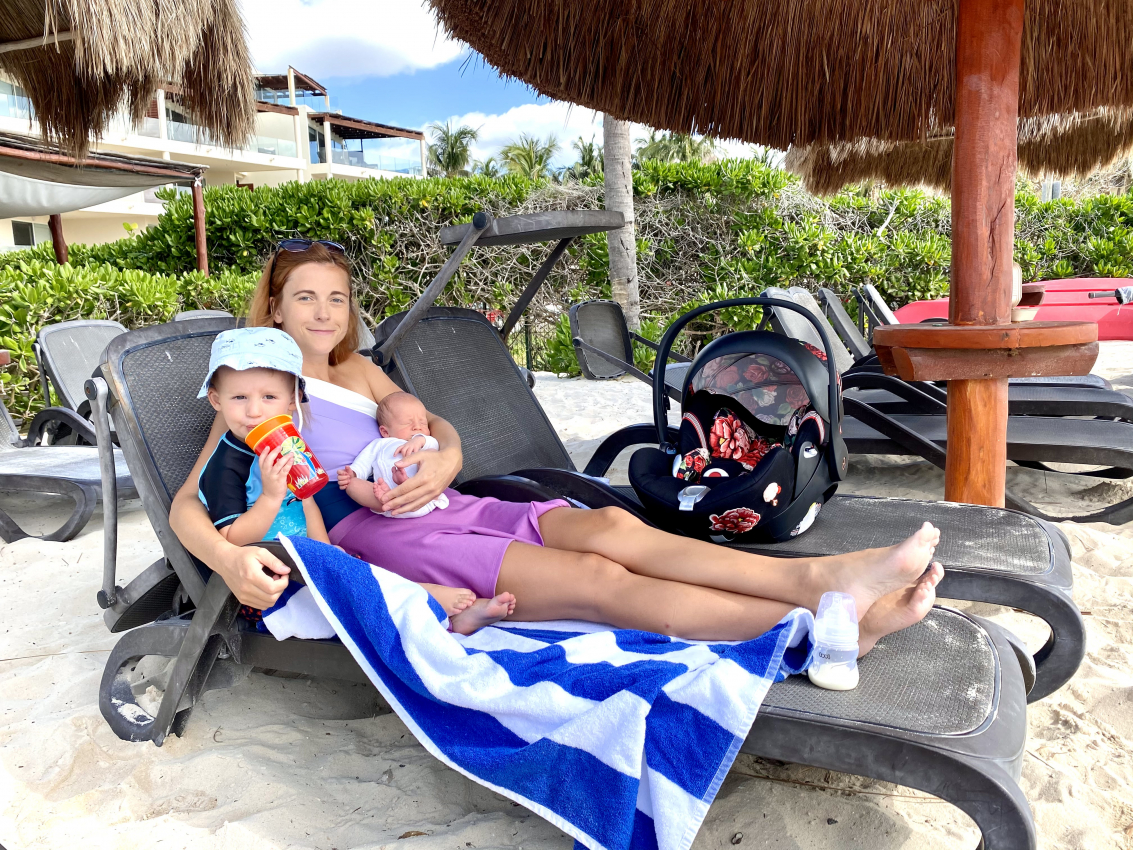
Mexico is one of the easiest countries to move into with children. Doctors are great and you can easily and cheaply take them to a specialist or dentist.
If your kids are young there are various affordable babysitting options. In bigger towns that also welcome regular tourists, there are babysitting agencies. Expect to pay about 10 USD per hour, but as a local, you can get a babysitter for even 5 USD an hour. That’s what we usually pay.
Daycare options are endless. You can find bilingual daycares and preschool or just regular Spanish-speaking ones. You might as well give your child an opportunity to pick up Spanish effortlessly. Expect to pay about 150-400 USD monthly for Montessori preschool.
School inscriptions are easy and you can always find a private bilingual school your kids can start any time of the year. It’s very convenient. Prices are similar to daycare ones so very affordable for Americans but less for Europeans where the school is covered.
You can send your kids to a public school if you’re legally registered and become a resident.
Health Insurance in Mexico
Don’t forget to arrange health insurance before heading to Mexico. If you’re a digital nomad planning on being in Mexico short-term then the easiest and the most reliable travel insurance is Safety Wing.
If you’re planning on staying in Mexico indefinitely then you need to think about local insurance.
Technically speaking, you don’t NEED health insurance to start with. I lived my first two years without having health insurance. Almost all prescription drugs are available over the counter in Mexico and even if you need a prescription you can get it at the pharmacy – I wrote a whole article about it.
For basic questions, many pharmacies offer free consultations with a doctor. It’s not great, but it’s an option.
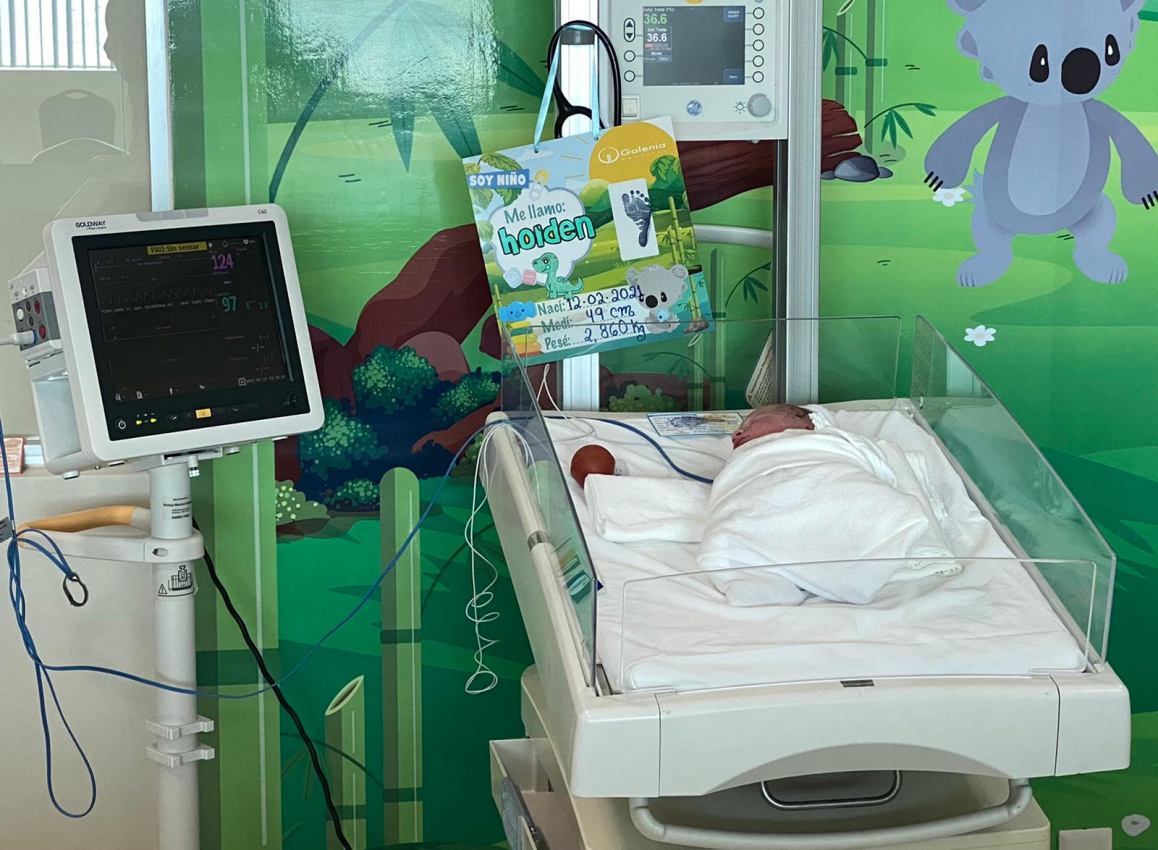
There are many private clinics in Mexico that you can pay out of pocket. I was paying 40 USD for a great prenatal consult with my doctor and that fee involved an ultrasound. For the same thing, I would have to pay 600 USD in the US. I paid out of pocket for the birth in Mexico and it also wasn’t super expensive. However…
If you get into an accident and require a hospital stay or need specific long-term treatment, then you need proper health insurance. You do NOT need to be a resident to get private insurance, but you need proof of address.
Public health insurance through Mexican Social Security Institute insurance (IMSS) is for residents only and quite frankly, it’s a mess. Lines are long and the standard is low. Plus, don’t even attempt to arrange anything unless your Spanish is really good. I dealt with IMSS and it’s not worth your time. Private insurance like AXA is the way to go.
Any questions? Feel free to post your doubts in the comments below!


Really interesting post. I think far too often people avoid visiting certain places because small areas are considered ‘dangerous’. What a waste! Hopefully people will read this and realise that Mexico City is worth a visit. Can’t believe they have separate metro carriages for women – madness! We’ve never been but will definitely make sure we go when we’re over that side of the world. 🙂
Gabby
They introduced these carriages also in Brazil 🙂
Fantastic tips, thank you so much for sharing! Interesting to read about the nuance of visas and working.
Fascinating stuff. I live in a big city (London) but I can’t imagine moving to Mexico City. It sounds exciting, but a little bit overwhelming.
I think it’s easier to live there than in LOndon 🙂
Great tips, even for those who only want to see the city as a traveller. We love Mexico, but we’ve only been to a small part of it (and would love to live in that area).
I was trying to make it useul for both expats and visitors 🙂
That sucks not having work during Christmas time! Teaching can be a great gig to do on the road but it has its downfalls as well!
yeah, unfortunately 🙁
Great article! I would love to move to DF for a year or so. I hardly speak Spanish though. Do you think I could still find a job?
Do you speak Spanish?
Yes, I’m fluent and also a freelance translator from/to Spanish to/from English. I think you can easily teach English if you’re certified (I’ve done that for a bit), but it might be a bt tough to move around. You can learn tho! 🙂
Great advises! It’s much better when your are prepared and have some information about the country you are planing to move to. Greetings
Great information! I visit the area frequently as my husband is from there. Over the last decade we have discussed moving to DF or the state of Morelos (lots of family there) so it’s always helpful to read the experiences of those who have actually done it!
Do it! 🙂 I\m sure you won’t regret it 🙂
Hi! I am moving to Mexico City in September but am currently looking for a job ahead of time before I get there so I can obtain my work visa before leaving the states (i’m coming from new york state). I’m going there to live with my long term boyfriend (he’s a native to CDMX and is a university professor) and work hopefully with kids/adults teaching english (i’m not fluent in Spanish yet) and to work eventually in a gallery/art scene and continuing my passion for painting (i’m graduating with my BFA in May). Any advice for finding good jobs for teaching english so that they can “back up ” my work visa so i may obtain it?
Thank you!!!
Graciass!!
~Hannah Brown
Hey Hannah! I actually started my journey in Mexico from teaching, but I also completed my TEFL course there, so they hooked me up with a job – here’s the link: https://www.teachers-latin-america.com/ 🙂 I’d suggest to look for some TEFL positions online on various websites as well.
Dear Anna~ Are you still telling us about life in DF? I really enjoyed your information. How are things down there October 2016? Here in Trump and Hillary Land, we are feeling nauseous. I plan to move in November or December. I am an ESL instructor with 40 years experience.
Hi! I live in Playa del Carmen now, but visiting DF quite often 🙂
You never mentioned hostels and hotels you like in Mex City. I’m interested in Roma, Chipultapec area. Moving to Mex City in March for work–pre-arranged English teaching job!
I haven’t because this is an article about moving to Mexico City. I’m planning on putting together another post about accommodation in Mexico City. However, for now I can recommend:
– Capsule Hostel (Roma Norte next to Reforma)
– Hostel Home (Roma Norte next to Insurgentes)
Adrienne
If I may add.. I am renting a 2 bedroom apartment through airbnb.. all to myself for the same price as a hostal. In Roma Norte.. one block from Sevilla metro.
Adrienne
I am interested in moving to Mexico City. I have also been searching on Airbnb, can you give me any suggestions, I am looking for something nice clean furnished all inclusive. Price range 3500-4000. I know this will be small a rental, I actually would prefer small. I am looking for a 3-6 month rental possibly more depending on how I like the city when I arrive.
Loved this write up on moving, working and transportation in and around Mexico City, something I am looking to do sometime soon. Considering I am, as you stated, a ‘Digital Nomad’ of sorts, then I guess I’m already set to take on that same lifestyle there. Looking forward to a change of scenery, livery. community, country and people, and with help from people such as yourself, you help make it much more promising and interesting, to say the very least. Much appreciate the links to the traveler insurance website, that’s definitely key for me, considering I’d travel alone and would love guarantees for my travels.
Oh, and one more thing, you are stunningly gorgeous, not to mention talented in your writing. Thank you so much señorita Anna, a name that happens to also be my only sister’s. Furthermore, on a side note, my mother was born in Distrito Federal, which is why I feel an urge to make this pilgrimage, considering part of my being does indeed have its roots there. Wish me luck!
Thanks again for another good post! I’m off to El DF in May (I rented a flat in Roma Norte) so I’m very excited to explore the city (it helps that I’m a big fan of Rivera murals).
Have you ever gone to Teotihuacan (not by tour).. debating if it will be easy enough to get to solo (not into tours)
I’ve been to Teotihuacan twice, never with the tour actually. It’s very easy. Take the Metro to ‘Autobuses Norte’ which is a bus station where you need to take the bus to Teotihuacan from.
You are awesome, ext time you and your bf are in NH, drinks are on me!
I’m psyched to visit el DF, and also trying to figure out what other day trips I’d like to stay. Im only there 9 days.
Been there 4 times now, 2 times by organized tour, one time by rental car, one time on my own by bus. Public transport is no prob at all. As already mentioned below, buses leave from station Norte. The route not served by big operator (Pulmann, Flecha Rojo, ADO,…) but an operator dedicated to transport to there (think even named Teotihuacan). When you enter the bus station, the counter in on the far left end of the station.
My tip: Buy some “pastes” at one of the bakery places inside the bus station (~Mxn35 each). Pastes are kind of empanadas, prepared with different fillings, like meat, chicken or mole. Typical food from central Mexico, north of DF, that’s why you get them in the North station only, not in one of the others. I think pastes are originating from the state of Hidalgo.
When visiting Teotihuacan, don’t forget to take drinking water with you! There are only very few places at the different entry gates where you can buy drinks, no vending on the site. Also a hat and sunblocker are not to be missed. The sun is heating up the site pretty much and sun is burning from top.
For lunch, get out at Gate 5 (south of the Sun pyramid) and ask for the Cave Restaurant (Restaurant La Gruta), just a few min walk from the exit. To be honest, it is quite a touristic place – but it’s still a nice experience to dine within a cave. Even thou I am more for less beaten paths, I enjoyed it there.
With your entrance ticket to the archeological site, you can re-enter and finish your visit to the pyramids – or cross the archeological site to get to your desired exit gate.
Gracias!
I’ve been in el DF all week. I love it, but I’ve lived by the sea all my life and I struggle with the altitude. The tips for Teotihuacan were spot on. Much appreciated Tobias!
Mexico City is possibly the most fascinating, historical city in the Americas. But let’s be honest. Most gringos don’t quite ‘get” Mexico as a whole, much less its capital. The reasons for this is varied. The stereotypes paraded in the media, the language barrier, the seemingly alien spicy foods, etc. Someone once said that the real Mexico starts at 1,000 meters above sea level, and there’s some truth to that. Gringos flock to the beaches and the coasts, but that’s not where the deep soul of Mexico is. Since time immemorial, the peoples of Mexico have built their most sophisticated and densely populated centers inland and upland. The epicenter of that is that Valley of Mexico, and its heart is Mexico City. You don’t get Mexico City, you don’t get Mexico, the cultural, political, economic center since 1325 when a nomadic band of warriors saw an eagle devouring a serpent, and saw that as good augur to establish their capital there. What other capital in the Americas gives you such storied history?
Love this post, and I am looking to visit Mexico City in the very near future. Thank you so much for sharing this information.
Hey Anna,
It is a very informative article, thank you so much! The idea of living in Mexico City sounds fantastic for me but the thing is: I’m so scared of those mosquito-borne diaseases like dengue fever and malaria. My question is what measures did you take in order to protect yourself from bites and is it really such an epidemic all over? Thanks a lot in advance.
Mosquito-borne diaseases like dengue fever and malaria are not an issue at all in Mexico City.
Don’t worry about that.
I lived in Mex City for approx 1.5 years w/o any vaccinations for those kind of things. I would not worry about that. Was even in South western forest area (December… not rain season) w/o any. Just take lots of mosquito protection with u when going to there, just because they are annoying.
Dengue and Malaria are not endemic mosquito borne diseases from Mexico!!!
I rent a very nice furnished apartment in Mexico City, very close to the US Embassy and Av. Paseo de la Reforma. If your need information, feel free to contact me [email protected]
Pablo
How much is thie very nice furnished apartment and can you give me details on how to get in touch with persons whom I can rent apartment minimum 3 months???
Hi, Anna.
I hope this message finds you well.
Where did you get your TEFL certificate in Mexico City?
Hi there. I got it from here: https://www.teachers-latin-america.com/
Hi Anna,
I found your info on Mexico very interesting, thanks a mill. I’m hoping to move to DF with my (Mexican) partner later in the year. I’ve been there 4 times, and we travelled around alot, east to west, absolutely love it. Started to find my bearings a little more in Mexico City but it is overwhelming when you’re like me (a wee Irish lass) coming from such a small capital city with a tiny population in comparison to Mexico. I would be looking to live there on whatever Visa I would need to stay and be able to work, open a bank account etc. All that jazz. I’m curious about finding an apartment in the north of the City (Roma, Reforma etc) and where to look for places. Do you know of reliable estate agents I can research before heading? We’d be staying with his family for a little bit to get ourselves sorted. Also, work wise we’d both be working in the arts, film and tv. Dunno if that would change the type of Visa I would need for work? Apologies, so many questions, don’t worry about rushing back to me with a reply though 🙂 I’ve rambled on for quite a bit 😛
Many thanks!
Sue
Hi Sue,
In Mexico most things work slightly different than elsewhere, the best apartments can be found not via agencies, but people to people. If you find something through an agency beforehand it’ll be catered towards foreigners and I can assure you that you’ll be overpaying. I made this mistake when I was moving for the first time, paid about 3 times more than I should have 😉 You should arrange your FM3 visa from outside of Mexico these days.
Anna,
My husband and I were currently researching and considering moving to Mexico City. I have been searching the web for furnished apartments, studio, rooms etc. Our price range is 3500-5000 pesos max. I have found a few but I dont know about the location good/bad ??? We plan to stay 3-6 months. Can you give me any advice on what boroughs I should be looking in?? or any info on person to person as you suggested in previous comment?? I am currently renting in a small town and I am paying double because of ignorance on my part and no knowledge of tourist being so badly taken advantage of………
Do you speak Spanish? You’ll always overpay if you don’t unfortunately. For this price, you could get a nice double room. It might even be hard to find a small studio for this price in a decent location to be honest with you. Are you planning on working? Do you need to be somewhere in the city? Your good location will depend on your preferences. For expats, I always recommend Roma Norte, Condesa, Polanco, San Angel, Coyoacan, Chapultepec. I don’t think I’d personally live in Centro Historico. Santa Fe, Bosques, Tecamachalco, Interlomas will be difficult without a car.
Hi Carli,
I think Anna already mentioned the best areas to live in Mexico City. You could walk securely (and also live quite nicely) in all the areas and neighborhoods described in e.g. Lonely Planet. It all depends on your preference and also where you gonna work. If both of you – you and your partner – gonna work in Mexico, make sure to work in same area if possible. Commuting can take quite some time, esp. on rainy days traffic is going crazy (everybody jumps in his car or taxi instead of public transport – plus some roads will be flooded -> traffic jams all around!) Santa Fe is a pure business district (all new but boring with skyscrapers only and no history) and a bit away from the city, would only recommend it for living if you work there. If you work from home, it doesn’t really matter, just Coyoacan or San Angel may be a bit off and you wanna stay a bit more centric (Roma, Condesa, Zona Rosa, Polanco), not in Centro Historico thou.
tldr:
live nearby to where you work, consider only areas described in guides as safe, not centro historico even thou walking is fine there.
Hi Sue, Not sure how firm you are with Mex City… Roma, Reforma etc. might be geographically northern D.F. But in reality it is VERY central. I heard that in recent days Roma is getting empty, people leaving because of fear of earthquakes which are supposed to be strongest (felt) in Roma. I dont know how much truth is in that. Personally I can’t think of a reason why quakes (whose center mostly are outside of D.F.) should be stronger in a particular neighborhood. Maybe thats giving you the chance to find sth. cheap but still well located and well maintained.
Good luck!????
Hello, do you still live in Mexico City? I fly quite often …Hello my name is Alex.I am from Mexico City,I live right now in Austin TX.
I have been away from my country for the last 23 years and very close to retire.
I don’t remember a lot of things from my country.
Also, I’m looking for new friends.
I fly quite often to Mexico City.
Not anymore I’m afraid.
Hello ,
This is Carli.. I went to MC and I stayed in Centro Colonial in a hotel, I went to Roma , Condesa, Im not sure where or the names of the bouroughs we traveled around for a week. My concern is I need a job…. I absolutely loved MC. The city is beautiful security was great, I did not see any danger during my commutes . How do you go about work ??…getting the correct paper work, permits , etc ?? Should I try to get a job on-line before going back? I would love to be an English Teacher, or even work in a hotel as English interpreter. I fell in love but am concerned I will have to work and I have no support group in MC . Comments suggestions please
If you’re a native English speaker you can get your TEFL/CELTA qualifications and get FM3 work permit. In this case, you MUST apply for it before going back to Mexico. Search online for some companies that can hook you up with a job once you get your qualifications.
Are you fluent in Spanish? Without fluent Spanish, it’s hard to find a job in Mexico as there aren’t many English speaking only. Once you learn Spanish and build your network in Mexico, then you can change your job, but it’s definitely easier to start as an English teacher.
Before moving to Mexico City must you should know these things: Mexico is usually cheaper than the United States. Mexico is an affordable country for Americans, Canadians, and Europeans. Everything you can be found in Mexico in your budget. Mexico is the perfect expat destination. One of the first things I noticed when I moved to Mexico was how often I heard people speak English! And Mexicans are friendly and ready to help. I also thanks to North America Shuttle Transfer (NAST) for giving me a wonderful and joyful vacation at an affordable price.